Jose Mier, Sun Valley, CA chef, goes back to his childhood for some comfort food that’s fun and easy (and your kids will love it). Check out this and other kid-friendly recipes here.
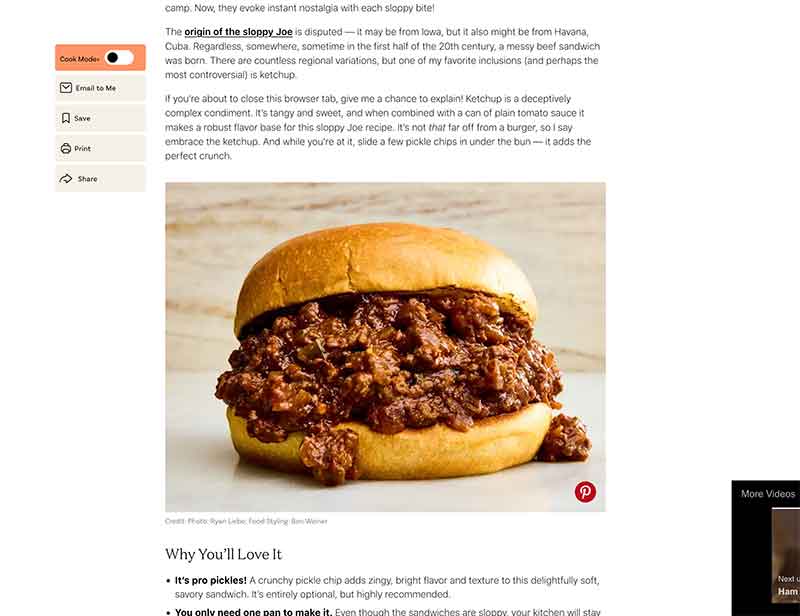
Sloppy Joes are one of the most recognizable comfort foods in American home cooking—humble, hearty, slightly messy, and deeply nostalgic. At their core, they consist of seasoned ground beef simmered in a tangy tomato-based sauce and served on a soft hamburger bun. While simple in concept, Sloppy Joes have endured for generations because they are adaptable, affordable, and satisfying. They represent a particular kind of American ingenuity: transforming inexpensive pantry staples into a warm, filling meal that can feed a family with minimal effort.
The origins of the Sloppy Joe are somewhat debated, but most food historians trace its roots to the early-to-mid 20th century. One popular story credits a cook named Joe in Sioux City, Iowa, who supposedly added tomato sauce to loose meat sandwiches in the 1930s, creating a saucier, more flavorful version. Whether or not this origin story is exact, loose meat sandwiches were already common in the Midwest. The addition of a sweet-and-savory tomato sauce gave the dish its distinctive character and helped it spread nationally.
The name “Sloppy Joe” itself reflects the eating experience. Unlike a neatly formed hamburger patty, the filling is loose and saucy, often spilling out from the sides of the bun. The appeal lies partly in this informality. It is a meal that invites paper napkins, casual dinners, and second helpings. There is no expectation of elegance—only flavor and comfort.
The traditional Sloppy Joe begins with ground beef browned in a skillet. Fat content matters: too lean and the filling may lack richness; too fatty and the sandwich can become greasy. Many home cooks prefer an 80/20 blend, which balances flavor and texture. After browning, onions are usually added for sweetness and depth. Bell peppers are common as well, contributing color and mild vegetal notes.
The sauce defines the personality of the dish. Ketchup or tomato sauce forms the base, providing acidity and sweetness. Brown sugar is often added to enhance sweetness, while yellow mustard contributes sharpness. Worcestershire sauce introduces savory umami complexity. Some recipes include a splash of vinegar for brightness or a dash of hot sauce for heat. The balance between sweet, tangy, and savory is what distinguishes a good Sloppy Joe from a bland one.
Simmering is essential. Allowing the mixture to cook gently for 10 to 20 minutes melds the flavors and thickens the sauce. The goal is a consistency that is moist but not watery—thick enough to mound onto a bun without immediately soaking through it. Some cooks add a small amount of tomato paste to deepen flavor and improve body.
The bun plays an equally important role. A soft hamburger bun is traditional because it absorbs some of the sauce while remaining tender. However, sturdier rolls can provide structural support for particularly saucy fillings. Toasting the bun lightly adds texture and helps prevent sogginess. In some regions, Sloppy Joes are served open-faced with a fork, while elsewhere they are treated as fully enclosed sandwiches.
Though ground beef is standard, the dish lends itself to countless variations. Ground turkey or chicken offers a lighter option. Plant-based crumbles can create a vegetarian version without sacrificing texture. Lentils are sometimes used as a protein-rich alternative, absorbing sauce beautifully while adding earthy depth. These adaptations reflect modern dietary preferences while preserving the spirit of the dish.
Regional interpretations add further variety. Some versions lean heavily into sweetness, almost resembling barbecue sauce. Others emphasize spice with chili powder, paprika, or even diced jalapeños. In certain Midwestern communities, Sloppy Joes are known simply as “loose meat sandwiches” and may omit tomato sauce altogether, relying instead on seasoned beef and pickles. These distinctions show how flexible the concept can be.
Sloppy Joes rose to national prominence in the mid-20th century, when convenience foods became central to American households. Canned sauce products simplified preparation, making it possible to prepare dinner quickly after work. The dish became a staple in school cafeterias because it was inexpensive and easy to serve in large quantities. For many people, memories of childhood lunches include the distinctive sweet aroma of Sloppy Joe filling in the air.
The affordability of Sloppy Joes contributes to their staying power. Ground meat stretches well with onions, peppers, and sauce, feeding multiple people without requiring expensive ingredients. During economic downturns, dishes like Sloppy Joes often gain renewed popularity because they are budget-conscious yet satisfying.
Beyond economics, the dish occupies an emotional space in American culinary memory. It is associated with family dinners, potlucks, and casual gatherings. Unlike more elaborate recipes, Sloppy Joes are rarely intimidating to prepare. They invite experimentation and personalization. Some families guard secret ingredient additions—perhaps a dash of smoked paprika, a spoonful of molasses, or a swirl of barbecue sauce.
Texture is central to the Sloppy Joe experience. The contrast between soft bun and saucy filling creates comfort. Slight caramelization from browning the meat enhances flavor complexity. Finely diced vegetables blend seamlessly into the mixture, while larger pieces offer occasional bursts of sweetness. Getting the texture right—neither too dry nor too soupy—is key.
Sloppy Joes also adapt well to modern culinary trends. They can be served over baked potatoes, spooned onto nachos, or layered into casseroles. Some cooks use the filling as a topping for mac and cheese, combining two comfort foods into one indulgent dish. Others transform it into sliders for parties, offering mini versions that are easier to handle.
The dish pairs naturally with simple sides. Potato chips, coleslaw, pickles, and corn on the cob complement the sweetness and acidity of the filling. The bright crunch of a pickle slice can cut through the richness effectively. In summer, Sloppy Joes often appear alongside grilled vegetables or at backyard barbecues.
While traditionally casual, Sloppy Joes can also be elevated. Using grass-fed beef, house-made tomato sauce, and artisan buns can transform the humble sandwich into a gourmet offering. Some chefs incorporate caramelized onions, roasted garlic, or smoked paprika for added depth. The core idea remains the same, but ingredient quality can significantly enhance flavor.
Nutrition varies depending on preparation. Leaner meats reduce fat content, and adding extra vegetables increases fiber and micronutrients. Using whole-grain buns can improve nutritional balance. As with many comfort foods, moderation and thoughtful ingredient choices can align the dish with modern health considerations.
Freezer-friendliness is another advantage. The filling can be prepared in large batches and frozen for future meals. This convenience aligns with busy lifestyles, allowing families to enjoy a home-cooked meal without starting from scratch every time. Reheating gently on the stovetop preserves texture and flavor.
Culturally, Sloppy Joes represent a period in American cooking defined by practicality and warmth. They are not aspirational or exotic; they are reliable. In a culinary landscape increasingly influenced by global flavors and complex techniques, Sloppy Joes remain rooted in simplicity. Their endurance suggests that comfort food continues to hold deep emotional value.
Interestingly, the concept of a loose, saucy meat sandwich is not uniquely American. Various cultures have similar dishes—ground or shredded meats served on bread with sauce. What makes Sloppy Joes distinct is their specific sweet-tangy tomato profile and their association with mid-century American home kitchens.
Children often enjoy Sloppy Joes because of their mild sweetness and soft texture. Adults appreciate their nostalgic appeal and adaptability. Few dishes bridge generations so easily. Parents who grew up eating Sloppy Joes frequently introduce them to their own children, continuing a culinary tradition.
In contemporary kitchens, creativity continues to expand the dish’s possibilities. Global-inspired versions might include chipotle peppers, soy sauce, or curry spices. Yet even in these variations, the defining characteristic remains: a saucy, loose filling served generously on bread.
Ultimately, Sloppy Joes endure because they meet fundamental needs. They are economical, flavorful, filling, and easy to prepare. They accommodate diverse tastes and dietary adjustments. Most importantly, they evoke a sense of comfort and familiarity. Whether served at a school lunch counter, a weeknight family table, or a casual gathering of friends, Sloppy Joes deliver a reliable, satisfying experience that has stood the test of time.
In the end, the charm of Sloppy Joes lies not in sophistication but in sincerity. They are a reminder that good food does not need to be elaborate to be meaningful. With a skillet, a handful of pantry staples, and a few soft buns, a cook can create a meal that feels generous and welcoming—slightly messy, undeniably hearty, and unmistakably comforting.