Jose Mier, Sun Valley foodie, delves into one of the most popular Indian meals: butter Chicken. One recipe can be found on the Delish website.
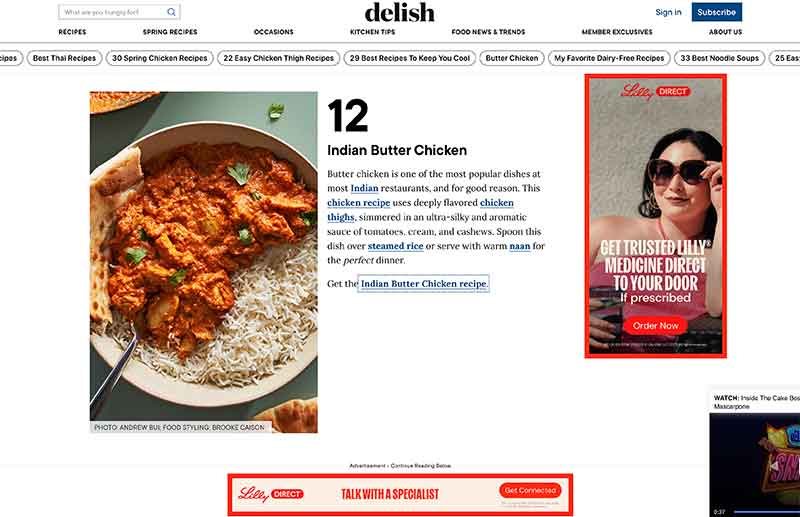
Butter chicken, known in Hindi as murgh makhani, is one of the most famous and beloved dishes to emerge from North Indian cuisine. With its rich, velvety tomato-based sauce, tender pieces of marinated chicken, and a perfect balance of spices, butter chicken has become a global culinary icon. It is a dish that embodies comfort, indulgence, and the art of blending flavors, appealing to both seasoned lovers of Indian food and newcomers alike. While it may now be found in restaurants from Los Angeles to London, its origins are rooted in a specific place and moment in history, and its continued popularity speaks to its versatility and universal appeal.
Origins: A Delicious Accident in Delhi
Butter chicken’s origin story is as rich as its sauce. The dish was reportedly created in the mid-20th century in Delhi at the famous restaurant Moti Mahal. The founders—most notably Kundan Lal Gujral—were known for their expertise in cooking tandoori chicken, a dish in which chicken is marinated in yogurt and spices and then roasted in a clay oven called a tandoor.
Legend has it that leftover tandoori chicken was at risk of drying out, so the chefs devised a way to reuse it by simmering it in a sauce made from tomatoes, butter, cream, and spices. The result was butter chicken—a dish that not only preserved the moisture of the chicken but elevated it into something entirely new and luxurious. What began as a practical solution quickly became a signature dish, and from there, its popularity spread rapidly throughout India and eventually across the globe.
The Flavor Profile: A Perfect Balance
At the heart of butter chicken’s appeal is its flavor. Unlike some Indian dishes that emphasize heat, butter chicken focuses on balance. The sauce combines:
- The tanginess of tomatoes
- The richness of butter and cream
- The warmth of spices such as garam masala, cumin, and coriander
- A subtle sweetness that rounds out the acidity
The result is a sauce that is creamy without being overly heavy, mildly spiced without being bland, and deeply satisfying without overwhelming the palate. This balance makes butter chicken particularly accessible, even to those who may be unfamiliar with Indian cuisine.
The chicken itself is typically marinated in yogurt, garlic, ginger, and spices before being cooked. This marinade tenderizes the meat and infuses it with flavor, ensuring that each bite is juicy and aromatic. When combined with the sauce, the smoky, slightly charred notes of the chicken complement the creamy base beautifully.
The Role of the Tandoor
A key element in traditional butter chicken is the use of the tandoor. This cylindrical clay oven reaches extremely high temperatures, allowing the chicken to cook quickly while developing a distinctive smoky flavor and charred exterior. This step is crucial in creating the depth of flavor that defines authentic butter chicken.
While not all modern kitchens have access to a tandoor, many replicate the effect using grills, broilers, or high-heat ovens. Even without a traditional tandoor, the goal remains the same: to achieve a slight smokiness that contrasts with the richness of the sauce.
Ingredients That Define the Dish
Butter chicken relies on a relatively simple set of ingredients, but the quality and balance of these components are essential:
- Chicken: Typically boneless pieces, often thigh meat for its tenderness
- Tomatoes: Form the base of the sauce, providing acidity and body
- Butter and cream: Create the dish’s signature richness
- Yogurt: Used in the marinade for flavor and tenderness
- Spices: Garam masala, turmeric, chili powder, and others add complexity
- Aromatics: Garlic, ginger, and sometimes onions
The interplay of these ingredients is what gives butter chicken its distinctive character. Each element has a role to play, and the dish’s success depends on achieving the right balance.
Regional Variations and Interpretations
Although butter chicken originated in Delhi, it has inspired countless variations both within India and around the world. In some regions, the dish is made spicier, while in others, it is sweeter or creamier. Some versions use more butter, emphasizing richness, while others reduce the cream for a lighter take.
Outside of India, butter chicken has been adapted to suit local tastes and ingredient availability. In Western countries, it is often milder and slightly sweeter, catering to a broader audience. Some recipes simplify the cooking process, using shortcuts like canned tomato sauce or pre-cooked chicken, while others strive to replicate the traditional method as closely as possible.
Butter Chicken vs. Chicken Tikka Masala
Butter chicken is often compared to another popular dish: chicken tikka masala. While the two share similarities, they are distinct in important ways. Butter chicken tends to be creamier and less spiced, with a smoother, more buttery sauce. Chicken tikka masala, which is believed to have been developed in the United Kingdom, often features a more robust spice profile and a thicker, more tomato-forward sauce.
Understanding this distinction highlights the unique qualities of butter chicken and its emphasis on balance and richness.
Global Popularity
Butter chicken’s journey from a Delhi restaurant to international fame is a testament to its universal appeal. Today, it is a staple on Indian restaurant menus worldwide and is often one of the first dishes people try when exploring Indian cuisine.
In cities like Los Angeles, where diverse culinary traditions thrive, butter chicken has become a go-to comfort food. It is equally at home in casual takeout spots and upscale dining establishments, demonstrating its versatility and broad appeal.
The dish’s popularity is also reflected in its presence in grocery stores, meal kits, and ready-to-eat products. For many, butter chicken serves as an introduction to Indian flavors, paving the way for deeper exploration of the cuisine.
Creative Twists and Modern Uses
As butter chicken has gained global recognition, chefs and home cooks have begun experimenting with new ways to enjoy it. Some creative adaptations include:
- Butter chicken pizza: Combining the creamy sauce with a crispy crust
- Butter chicken pasta: Blending Indian and Italian influences
- Butter chicken tacos or wraps: A fusion of flavors and formats
- Vegetarian versions: Using paneer, tofu, or vegetables instead of chicken
- Butter chicken poutine: A Canadian-inspired twist
These innovations demonstrate the dish’s flexibility and its ability to adapt to different culinary contexts while retaining its core identity.
Nutritional Considerations
While butter chicken is undeniably delicious, it is also a rich dish. The use of butter and cream contributes to its high calorie and fat content. However, there are ways to make lighter versions without sacrificing flavor:
- Reducing the amount of cream
- Using yogurt as a substitute for some of the fat
- Incorporating more tomatoes and spices
These adaptations allow people to enjoy butter chicken in a way that aligns with their dietary preferences.
Cultural Significance
Butter chicken is more than just a dish—it is a symbol of culinary ingenuity and cultural exchange. Its creation reflects the resourcefulness of chefs who transformed leftovers into something extraordinary. Its global spread highlights the power of food to transcend borders and bring people together.
In India, butter chicken is often associated with celebration and hospitality. It is a dish that is shared, enjoyed, and remembered. Abroad, it represents the richness and diversity of Indian cuisine, serving as a bridge between cultures.
The Experience of Eating Butter Chicken
Part of butter chicken’s appeal lies in the experience of eating it. The dish is typically served with naan or basmati rice, which are used to soak up the flavorful sauce. The combination of textures—the softness of the bread, the creaminess of the sauce, and the tenderness of the chicken—creates a satisfying and comforting meal.
Whether enjoyed in a bustling restaurant or at home with family, butter chicken offers a sense of warmth and indulgence that few dishes can match.
Conclusion: A Timeless Favorite
Butter chicken’s enduring popularity is no accident. It is a dish that brings together history, flavor, and adaptability in a way that resonates with people around the world. From its origins at Moti Mahal to its presence on menus across continents, it has remained true to its essence while evolving to meet new tastes and contexts.
At its core, butter chicken is a celebration of balance—between richness and acidity, tradition and innovation, simplicity and complexity. It is a dish that invites exploration while offering comfort, making it both timeless and endlessly appealing. Whether experienced in its most traditional form or through modern interpretations, butter chicken continues to captivate and satisfy, proving that great food knows no boundaries.