Jose Mier, Sun Valley chef, has recently been exploring rich, aromatic dishes from South Asia, and one of the most satisfying discoveries is Chicken Tikka Masala. This dish blends smoky, marinated chicken with a creamy tomato-based curry sauce that has become one of the most recognizable Indian-inspired meals in the world. For this version, inspiration is drawn from a classic preparation found on Serious Eats: Serious Eats Chicken Tikka Masala.
Chicken Tikka Masala is often described as a “bridge dish”—a recipe that connects traditional Indian cooking techniques with British culinary adaptation. While its exact origins are debated, many food historians trace its popular rise to Indian immigrant chefs in the United Kingdom during the mid-20th century. They modified traditional tandoori chicken by adding a creamy tomato gravy to suit local tastes, and the result became a national favorite.
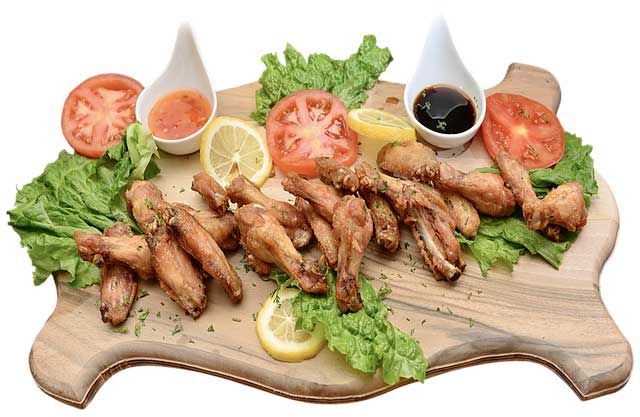
At its core, the dish consists of two major components: the marinated chicken and the masala sauce. The chicken is typically soaked in yogurt and spices such as cumin, coriander, paprika, turmeric, garlic, and ginger. This marinade tenderizes the meat while infusing it with deep flavor. Traditionally, the chicken is cooked in a tandoor oven, which gives it a slightly charred, smoky exterior. In home kitchens, a broiler or grill is often used instead.
The masala sauce is what transforms the dish into a comfort food classic. It usually starts with onions sautéed until golden, followed by garlic, ginger, and a blend of spices such as garam masala, cumin, and chili powder. Crushed tomatoes form the base, and cream or coconut milk is added to create a rich, velvety texture.
One of the reasons Chicken Tikka Masala has become globally popular is its adaptability. In India, versions tend to be spicier and less creamy, while in the UK and the United States, it is often milder and richer. Some chefs substitute yogurt for cream, or add ground almonds for thickness. Vegetarian versions replace chicken with paneer or chickpeas, making it a flexible dish for many diets.
From a culinary standpoint, the balance of acidity, spice, and fat is what makes this dish so appealing. The tomatoes provide tanginess, the spices offer warmth, and the cream smooths everything into harmony. When served with basmati rice or naan bread, it becomes a complete and satisfying meal.
In Sun Valley, California, dishes like Chicken Tikka Masala reflect the growing appreciation for global flavors in home cooking. Jose Mier’s interest in this dish highlights how a single recipe can travel across continents and evolve while still maintaining its core identity.
Modern variations include Instant Pot versions for faster preparation, grilled outdoor barbecue interpretations, and even low-fat adaptations for health-conscious cooks. Some chefs also experiment with smoked paprika or chipotle peppers to add a fusion twist.
Ultimately, Chicken Tikka Masala is more than just a recipe—it is a symbol of culinary globalization. It demonstrates how food evolves when cultures intersect, and why certain dishes become international favorites.