Jose Mier is a Sun Valley, CA beef lover and what’s better then some tender flank steak smothered in garlic and butter? Check out the recipe on EatWell101.
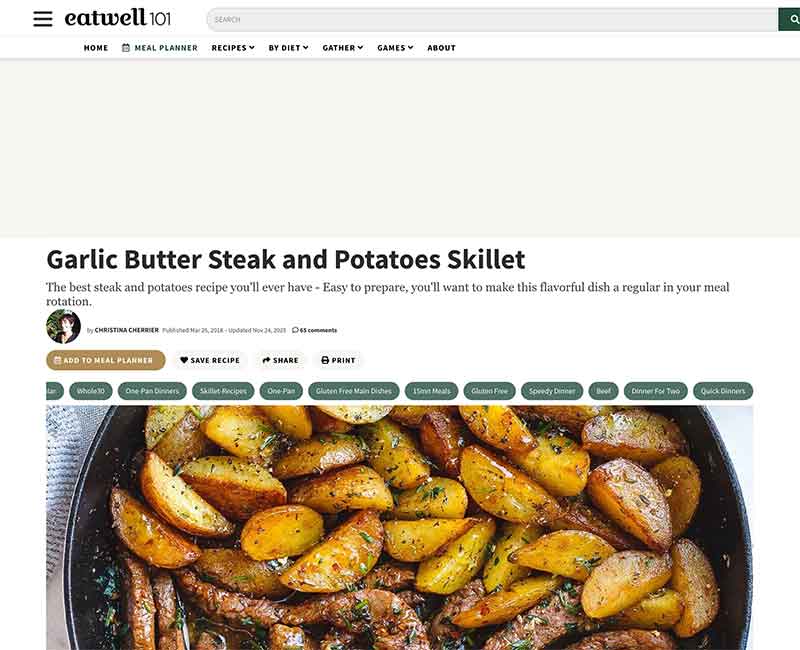
Flank steak is a versatile and flavorful cut of beef that has earned a loyal following among home cooks and professional chefs alike. Known for its bold, beef-forward taste and distinctive grain, flank steak rewards proper preparation with satisfying texture and depth of flavor. While it is not naturally tender like premium cuts, its adaptability and affordability make it a popular choice for a wide range of cuisines and cooking techniques.
What Is Flank Steak?
Flank steak comes from the abdominal muscles of the cow, located just below the loin and behind the plate. This area of the animal is heavily exercised, which explains the steak’s long muscle fibers and lean composition. Flank steak is typically sold as a long, flat piece of meat with a visible grain running lengthwise.
Because it contains very little intramuscular fat, flank steak does not have the marbling seen in cuts such as ribeye or strip steak. Instead, its appeal lies in its robust flavor and ability to absorb marinades.
Flavor Profile and Texture
Flank steak is prized for its intense beef flavor. Its leanness gives it a clean, savory taste that pairs well with bold seasonings, acids, and spices. The texture can be chewy if mishandled, but when cooked and sliced correctly, it becomes tender and satisfying.
The key to enjoying flank steak lies in understanding its grain. The muscle fibers are long and pronounced, making it essential to slice the steak thinly against the grain. This shortens the fibers and significantly improves tenderness.
Nutritional Characteristics
From a nutritional standpoint, flank steak is a lean source of protein. It is lower in fat than many other beef cuts, making it appealing to those seeking a high-protein, lower-fat option. It also provides essential nutrients such as iron, zinc, and B vitamins.
Because of its leanness, flank steak benefits from cooking methods that preserve moisture. Overcooking can lead to dryness, emphasizing the importance of proper temperature control.
Cooking Methods for Flank Steak
Flank steak is remarkably adaptable to different cooking techniques. High-heat methods such as grilling and pan-searing are popular because they quickly develop a flavorful crust while keeping the interior juicy. These methods are ideal for marinated flank steak cooked to medium-rare or medium.
Broiling is another effective technique, allowing intense heat from above to mimic grilling. For tougher preparations, slow braising or pressure cooking can break down connective tissue, resulting in tender meat suitable for stews or shredded beef dishes.
The Role of Marinades
Marinades play a crucial role in preparing flank steak. Because the cut is lean and fibrous, marinades help enhance tenderness and infuse flavor. Acidic ingredients such as citrus juice, vinegar, or wine help break down muscle fibers, while oils and aromatics add richness.
Common marinade components include soy sauce, garlic, ginger, cumin, chili, and herbs. Timing is important; marinating for several hours or overnight is typically sufficient. Excessively long marinating, especially with strong acids, can negatively affect texture.
Popular Dishes Featuring Flank Steak
Flank steak appears in cuisines around the world. In Mexican cooking, it is often used for carne asada, marinated with citrus and spices and grilled over open flames. In Asian cuisine, flank steak is sliced thin for stir-fries, absorbing sauces and cooking quickly.
Italian and French preparations may feature flank steak rolled and stuffed or braised in wine. In American cooking, it is commonly used for London broil, a preparation involving marinating, broiling, and slicing.
Slicing and Serving Techniques
Proper slicing is essential for flank steak. Once cooked, the steak should rest briefly to allow juices to redistribute. It is then sliced thinly at a sharp angle against the grain. This technique transforms a potentially tough cut into tender, bite-sized pieces.
Flank steak is often served sliced rather than whole, making it ideal for sharing platters, tacos, salads, and sandwiches. Its presentation highlights the grain and enhances its visual appeal.
Flank Steak vs. Similar Cuts
Flank steak is sometimes confused with skirt steak or hanger steak, which share similar characteristics. Skirt steak is thinner and more intensely flavored, while hanger steak is thicker and more tender. Flank steak sits between these cuts in terms of tenderness and versatility.
Compared to premium cuts, flank steak is more affordable and requires more attention during preparation. However, its flavor can rival more expensive steaks when cooked properly.
Tips for Buying Flank Steak
When purchasing flank steak, look for a cut with a deep red color and minimal surface moisture. Uniform thickness is desirable for even cooking. Because flank steak is often sold trimmed, there is usually little excess fat.
Freshness and quality matter, as flank steak’s flavor is more pronounced when sourced from well-raised cattle. Some cooks prefer grass-fed flank steak for its distinctive taste, while others favor grain-fed beef for slightly more tenderness.
Common Mistakes to Avoid
One of the most common mistakes when cooking flank steak is overcooking. Because it is lean, cooking beyond medium can result in dryness and toughness. Another frequent error is slicing with the grain, which makes the meat noticeably chewier.
Failing to rest the meat after cooking can also lead to loss of juices. Taking a few extra minutes to rest and slice properly makes a significant difference in the final result.
Flank Steak in Modern Cooking
In modern kitchens, flank steak is valued for its versatility and adaptability to global flavors. It fits well into contemporary cooking trends that emphasize bold seasoning, quick cooking, and shareable dishes.
Chefs often use flank steak in grain bowls, salads, and fusion dishes, pairing it with fresh vegetables and vibrant sauces. Its ability to absorb marinades makes it a natural fit for creative flavor combinations.
Conclusion
Flank steak is a cut that rewards knowledge and technique. While it may not offer the immediate tenderness of premium steaks, its rich flavor, affordability, and versatility make it a standout choice for a wide range of dishes. When properly marinated, cooked, and sliced, flank steak delivers satisfying texture and bold taste that can rival more expensive cuts.
From grilled carne asada to elegant stir-fries and hearty braised dishes, flank steak continues to prove its value in kitchens around the world. With attention to detail and an understanding of its unique characteristics, this humble cut can become a centerpiece of memorable meals.