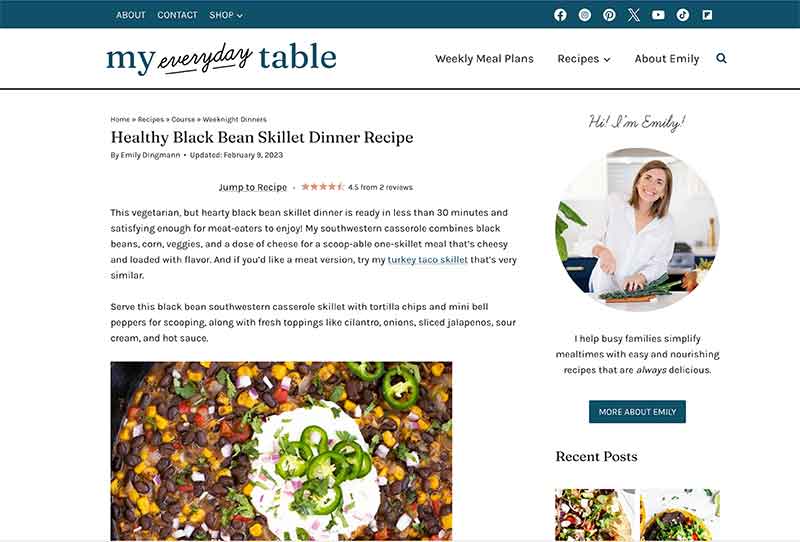
Jose Mier Discusses black beans with Sun Valley, CA. One great recipe can be found on the website My Everyday Table.
Black beans are one of the most versatile, nutritious, and widely used legumes in the world. Valued for their rich, earthy flavor, creamy interior, and firm skin, black beans play a central role in many culinary traditions, particularly in Latin American, Caribbean, and Southwestern cuisines. Beyond their cultural importance, black beans are prized for their affordability, long shelf life, and impressive nutritional profile. From hearty stews and comforting soups to fresh salads and innovative desserts, black beans adapt to an extraordinary range of uses, making them a staple ingredient in home kitchens and professional cooking alike.
Origins and Culinary Significance
Black beans, also known as turtle beans, have been cultivated for thousands of years and are native to the Americas. They were a foundational food for many Indigenous cultures, valued for their ability to store well and provide sustained nourishment. Over time, black beans became deeply embedded in the foodways of Central America, South America, the Caribbean, and later the southern United States. Today, they are a defining ingredient in dishes such as Cuban black beans, Brazilian feijoada, and Mexican frijoles negros.
Their popularity stems not only from tradition but from practicality. Black beans are hardy, inexpensive, and adaptable, absorbing flavors while maintaining their structure during cooking. These qualities have helped them endure as a dietary staple across centuries and continents.
Nutritional Benefits of Black Beans
One of the most compelling reasons black beans are so widely used is their nutritional value. They are an excellent source of plant-based protein, making them especially important in vegetarian and vegan diets. Black beans are also rich in dietary fiber, which supports digestive health, helps regulate blood sugar levels, and promotes a feeling of fullness.
In addition, black beans provide essential minerals such as iron, magnesium, potassium, and folate. They are naturally low in fat and contain beneficial antioxidants, particularly anthocyanins, which give the beans their deep black color. These compounds are associated with reduced inflammation and improved overall health, adding to the appeal of black beans as a wholesome, everyday ingredient.
Cooking Black Beans: Dried vs. Canned
Black beans are available in both dried and canned forms, each with its own advantages. Dried black beans are economical and allow greater control over flavor and texture. When cooked from scratch, they develop a rich, creamy interior and can be seasoned from the beginning with aromatics such as garlic, onion, bay leaves, and cumin.
Canned black beans offer convenience and speed, making them ideal for quick meals. While they may lack some of the depth of flavor of dried beans, rinsing and seasoning them properly can yield excellent results. Both options have a place in the kitchen, and many cooks keep both on hand depending on their needs.
Basic Preparation Techniques
Cooking black beans from scratch begins with soaking, though this step is optional. Soaking reduces cooking time and can improve digestibility. Beans are then simmered gently until tender, usually for one to two hours, depending on freshness and soaking time. Adding salt toward the end of cooking helps ensure the beans remain tender while developing balanced flavor.
Flavor-building is key when cooking black beans. Aromatics such as onions, garlic, peppers, and herbs are commonly added, along with spices like cumin, oregano, bay leaf, and chili powder. A splash of vinegar or citrus juice at the end of cooking can brighten the flavor and balance the beans’ earthiness.
Black Beans in Soups and Stews
Soups and stews are among the most traditional and comforting uses for black beans. Cuban-style black bean soup is a classic example, featuring slow-simmered beans flavored with garlic, onions, cumin, and bay leaves, often finished with a touch of vinegar. Brazilian feijoada, a hearty stew traditionally made with black beans and various meats, showcases the beans’ ability to anchor rich, complex dishes.
Vegetarian black bean soups are equally satisfying, often incorporating vegetables like sweet potatoes, tomatoes, and bell peppers. These soups are filling, nutritious, and adaptable, making them a staple in many households.
Rice and Bean Dishes
Black beans pair naturally with rice, forming a complete protein when eaten together. This combination is a cornerstone of many cuisines, including Cuban moros y cristianos and Costa Rican gallo pinto. The beans provide richness and depth, while rice offers a neutral base that highlights their flavor.
These dishes can be simple or elaborate, seasoned lightly with garlic and oil or enriched with herbs, spices, and vegetables. They are economical, satisfying, and endlessly customizable.
Black Beans in Mexican and Southwestern Cooking
In Mexican and Southwestern cuisines, black beans are used in a wide variety of dishes, including tacos, burritos, enchiladas, and tostadas. They can be served whole, lightly mashed, or fully refried. Refried black beans, cooked with onions and spices and mashed to a creamy consistency, are a popular alternative to traditional pinto beans.
Black beans also feature prominently in burrito bowls and fajita platters, often combined with grilled vegetables, rice, salsa, and avocado. Their ability to absorb bold spices makes them an ideal complement to chili, cumin, and smoked paprika.
Salads and Fresh Preparations
Black beans are equally at home in fresh, cold dishes. Black bean salads typically combine cooked beans with ingredients like corn, red onion, bell peppers, cilantro, and lime juice. These salads are popular for their bright flavors, contrasting textures, and nutritional balance.
They are also commonly used in grain salads with quinoa, farro, or brown rice, adding protein and substance. Black bean salads are particularly popular in warm weather, as they are refreshing yet filling.
Black Beans as a Meat Alternative
Because of their hearty texture and high protein content, black beans are frequently used as a meat substitute. Black bean burgers are a well-known example, combining mashed beans with breadcrumbs, spices, and vegetables to create a satisfying patty. When properly seasoned and bound, black bean burgers offer a rich, savory flavor and a pleasing texture.
Black beans are also used in vegan tacos, chili, and stuffed vegetables, such as bell peppers or squash. In these applications, they provide both structure and depth, making plant-based dishes feel substantial and satisfying.
Black Beans in Dips and Spreads
Blended black beans make excellent dips and spreads. Black bean dip, often seasoned with garlic, lime, cumin, and chili, is a popular alternative to hummus. It can be served with tortilla chips, crackers, or fresh vegetables.
Mashed black beans can also be used as a sandwich spread or base layer for tostadas and flatbreads. Their creamy texture and neutral flavor make them a versatile foundation for a wide range of toppings.
Creative and Unexpected Uses
In recent years, black beans have found their way into unexpected culinary territory, including baked goods and desserts. Black bean brownies and cakes use pureed beans to add moisture, structure, and protein while reducing the need for flour and fat. When combined with cocoa and sweeteners, the beans’ flavor becomes nearly undetectable, resulting in rich, fudgy desserts.
Black beans are also used in sauces, where they can be blended to thicken and enrich soups or stews. Their natural starchiness makes them an effective, nutritious thickening agent.
Seasonings and Flavor Pairings
Black beans are highly receptive to seasoning, making them adaptable to a wide range of cuisines. They pair well with garlic, onion, cumin, coriander, oregano, and chili peppers, as well as fresh herbs like cilantro. Acidic elements such as lime juice, vinegar, or tomatoes help balance their richness.
In Caribbean cooking, black beans are often seasoned with thyme, allspice, and peppers, while in Latin American dishes they may feature epazote or bay leaf. These varied flavor profiles highlight the beans’ versatility and global appeal.
Storage and Meal Planning
Cooked black beans store well in the refrigerator for several days and freeze exceptionally well, making them ideal for meal prep. Large batches can be portioned and frozen for later use in soups, stews, or quick weeknight meals. This practicality adds to their value as a staple ingredient.
Conclusion
Black beans are far more than a simple pantry staple. They are a deeply rooted culinary ingredient with a rich history, exceptional nutritional benefits, and remarkable versatility. From traditional soups and rice dishes to fresh salads, plant-based burgers, and even desserts, black beans adapt effortlessly to a wide range of recipes and cooking styles.
Their ability to absorb flavor, provide substance, and support healthy eating has ensured their enduring popularity across cultures and generations. Whether used in time-honored recipes or innovative modern creations, black beans continue to prove themselves as one of the most useful and rewarding ingredients in the kitchen.