Jose Mier, Sun Valley, CA chinese food lover, is always on the lookout for great Chinese recipes. This “hack” for Chinese braised pork belly can be found on CuratedKitchenWare.com.
Braised Chinese pork belly is one of the most beloved dishes in Chinese cuisine, celebrated for its rich flavor, tender texture, and deep cultural roots. Known in many regions as hong shao rou (red-braised pork), this dish exemplifies the art of slow cooking and the balance of flavors that define traditional Chinese culinary techniques. With its glossy, caramelized appearance and melt-in-your-mouth consistency, braised pork belly has become both a comfort food and a symbol of indulgence, enjoyed at family dinners, festive gatherings, and restaurant tables around the world.
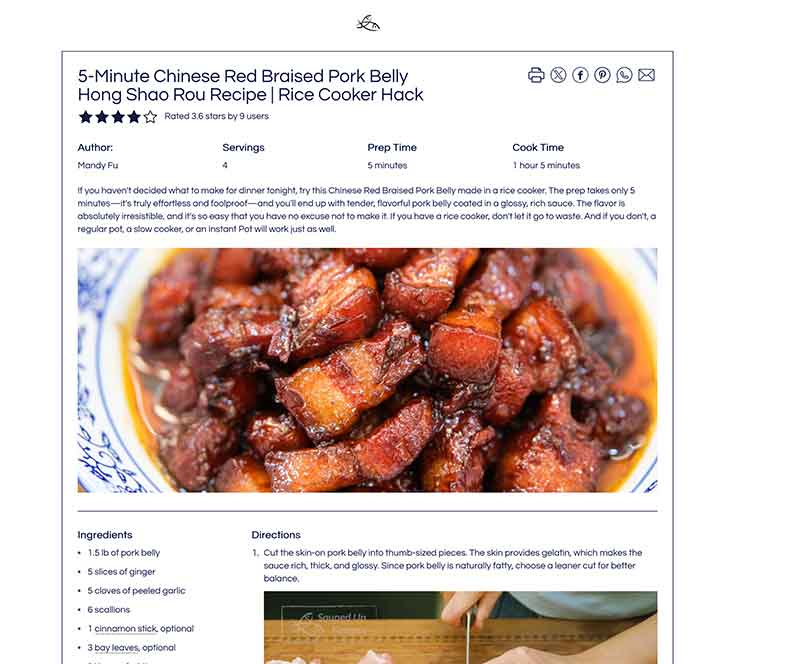
At the heart of the dish is pork belly, a cut prized for its layers of fat and meat. Unlike leaner cuts, pork belly transforms dramatically when cooked slowly. The fat renders down, basting the meat from within, while the connective tissues break down into gelatin, creating a silky, tender texture. This process is what gives braised pork belly its signature richness and luxurious mouthfeel. When prepared correctly, the meat becomes so tender that it can be easily separated with chopsticks, yet it still retains its shape.
The technique of braising is central to the dish. Braising involves first searing the meat to develop flavor and then simmering it gently in a liquid over an extended period. In Chinese cooking, this liquid is typically a carefully balanced mixture of soy sauce, sugar, rice wine, water or stock, and aromatic ingredients such as ginger, garlic, and scallions. The combination creates a sauce that is both savory and slightly sweet, with layers of complexity that deepen as the dish cooks.
One of the defining characteristics of braised Chinese pork belly is its color. The term “red-braised” refers to the reddish-brown hue that develops during cooking, achieved through the use of soy sauce and caramelized sugar. In some recipes, sugar is melted in oil to create a caramel base before the pork is added. This step not only contributes to the color but also enhances the depth of flavor, giving the finished dish its distinctive glossy sheen.
Regional variations of braised pork belly exist throughout China, each reflecting local tastes and ingredients. In Shanghai cuisine, the dish tends to be sweeter, with a pronounced use of sugar that creates a rich, almost candied glaze. The sauce is thick and sticky, clinging to each piece of pork and intensifying the flavor. In contrast, versions from other regions, such as Hunan, may incorporate chili peppers or fermented ingredients, adding a spicy or tangy dimension to the dish.
Despite these variations, the core principles remain the same: slow cooking, balanced seasoning, and careful attention to texture. The dish is often prepared in a clay pot or heavy-bottomed pan that allows for even heat distribution and gentle simmering. Over time, the sauce reduces and thickens, coating the pork in a concentrated glaze that enhances every bite.
Aromatics play a crucial role in shaping the flavor profile of braised pork belly. Ginger and garlic provide a warm, fragrant base, while scallions add a subtle freshness. Star anise, a common addition, contributes a mild licorice-like note that complements the richness of the pork. Some recipes also include cinnamon sticks, bay leaves, or dried tangerine peel, each adding its own layer of complexity. These spices are used sparingly, ensuring that they enhance rather than overpower the natural flavor of the meat.
Another key ingredient is Shaoxing rice wine, a staple in Chinese cooking. This fermented wine adds depth and aroma, helping to balance the richness of the pork and the sweetness of the sauce. As the dish simmers, the alcohol cooks off, leaving behind a subtle, savory complexity that is difficult to replicate with other ingredients.
The preparation of braised pork belly often begins with blanching the meat. This step involves briefly boiling the pork to remove impurities and excess blood, resulting in a cleaner flavor and clearer sauce. After blanching, the pork is cut into uniform cubes, ensuring even cooking and an appealing presentation. The pieces are then seared or caramelized before being added to the braising liquid.
Patience is essential when making this dish. The slow simmering process can take anywhere from one to two hours, depending on the size of the pork pieces and the desired level of tenderness. During this time, the cook may adjust the heat, skim off excess fat, or add additional liquid to maintain the proper consistency. The goal is to achieve a balance where the pork is tender but not falling apart, and the sauce is thick but not overly reduced.
Braised Chinese pork belly is typically served with steamed white rice, which acts as a neutral base that absorbs the rich sauce. The contrast between the plain rice and the intensely flavored pork creates a satisfying balance that makes the dish both comforting and indulgent. In some cases, the pork is also served with blanched vegetables such as bok choy or Chinese broccoli, adding a fresh, slightly bitter element that cuts through the richness.
Beyond its culinary appeal, braised pork belly holds cultural significance in Chinese tradition. It is often associated with family gatherings and celebrations, symbolizing prosperity and abundance. The use of pork, particularly a rich cut like belly, reflects a sense of generosity and hospitality. In some regions, the dish is served during festivals or special occasions as a way of bringing people together around a shared meal.
The popularity of braised pork belly has extended far beyond China, finding a place in international cuisine. Chefs around the world have embraced the dish, sometimes adapting it with local ingredients or modern techniques. Despite these innovations, the essence of the dish remains rooted in its traditional preparation and flavor profile.
In recent years, braised pork belly has also become a favorite among home cooks, thanks in part to the availability of recipes and cooking tutorials online. While the dish may seem complex at first, it is surprisingly approachable, requiring only a handful of ingredients and a willingness to let time do most of the work. The reward is a dish that feels both impressive and deeply satisfying.
Modern variations of braised pork belly sometimes incorporate additional ingredients such as hard-boiled eggs, tofu, or bamboo shoots, which absorb the flavorful sauce and add variety to the dish. These additions can make the meal more substantial and provide different textures to complement the tender pork.
Another adaptation involves the use of pressure cookers or slow cookers to reduce cooking time while still achieving the desired tenderness. While traditionalists may prefer the stovetop method, these modern tools offer convenience without sacrificing too much in terms of flavor or texture.
The enduring appeal of braised Chinese pork belly lies in its ability to transform simple ingredients into something extraordinary. Through careful technique and attention to detail, the dish achieves a harmony of flavors and textures that is both comforting and luxurious. It is a testament to the power of slow cooking and the depth of Chinese culinary tradition.
For those who experience it for the first time, braised pork belly often leaves a lasting impression. The combination of tender meat, rich sauce, and aromatic spices creates a sensory experience that is difficult to forget. Whether enjoyed at a traditional family table or in a modern restaurant setting, the dish continues to captivate diners with its depth and complexity.
In a world where many meals are rushed and convenience often takes precedence, braised Chinese pork belly stands as a reminder of the value of patience and craftsmanship in cooking. It invites us to slow down, savor each bite, and appreciate the layers of flavor that can be achieved through time and care. As both a culinary masterpiece and a cultural icon, it remains one of the most cherished dishes in Chinese cuisine.