Jose Mier, Sun Valley’s Chinese food enthusiast, has found an easy-yet-delightful Chinese shrimp stir fry on All Recipes.
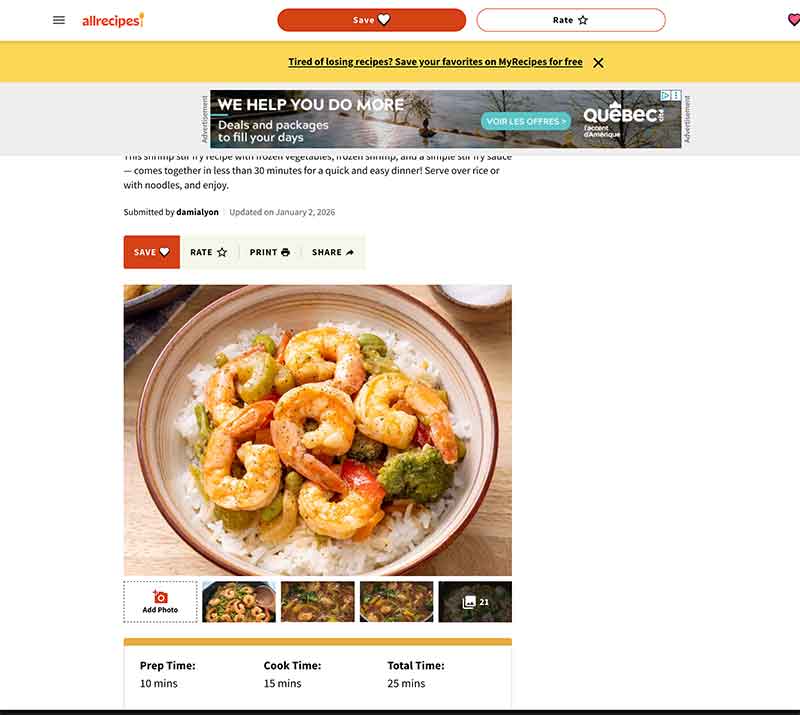
Shrimp has long held a prized place in Chinese cuisine, valued not only for its delicate sweetness and tender texture but also for its symbolic associations with happiness and vitality. Across China’s diverse regional food traditions, shrimp appears in an impressive variety of dishes, from quick stir-fries and dumplings to banquet-worthy specialties and comforting home-cooked meals. Its versatility allows it to adapt to bold, spicy flavors as easily as it complements subtle, aromatic seasonings, making it one of the most widely used seafood ingredients in Chinese cooking.
One of the defining characteristics of shrimp in Chinese recipes is how quickly it cooks. Unlike meats that require long braising or roasting, shrimp only needs a few minutes over high heat to reach its ideal texture—firm, juicy, and slightly springy. This makes it a natural fit for stir-frying, one of the most essential techniques in Chinese kitchens. In a classic shrimp stir-fry, the shrimp are often cooked separately for a brief moment, then removed before being combined with vegetables and sauce at the end. This ensures they remain tender and do not become rubbery, which can happen if they are overcooked even slightly.
Preparation plays a crucial role in getting the most out of shrimp. In many Chinese recipes, shrimp are peeled and deveined, but the tails may be left on for presentation. In more refined dishes, chefs sometimes take the extra step of “butterflying” the shrimp—cutting along the back to open them up—allowing for more even cooking and a visually appealing shape. Another important technique is marinating. Even a short marinade of rice wine, salt, and a touch of cornstarch can enhance the shrimp’s natural flavor while giving it a velvety texture. This method, often referred to as “velveting,” is commonly used in Chinese cooking to protect delicate proteins during high-heat cooking.
Regional variations in Chinese cuisine showcase shrimp in dramatically different ways. In Cantonese cooking, which emphasizes freshness and subtlety, shrimp is often paired with light sauces that allow its natural sweetness to shine. Dishes like shrimp with scrambled eggs or shrimp with snow peas highlight simple ingredients and careful technique. The shrimp are cooked just until they turn pink, then combined with gently seasoned vegetables or eggs, creating a dish that feels both comforting and refined.
In contrast, Sichuan cuisine uses shrimp as a canvas for bold, spicy flavors. Here, shrimp might be stir-fried with dried chilies, garlic, and Sichuan peppercorns, creating a dish that is both fiery and numbing. The shrimp absorb the aromatic oils and spices, delivering an intense flavor experience. Despite the strong seasonings, the shrimp’s natural sweetness still comes through, providing balance to the heat.
Shanghai and Jiangsu cuisines, known for their slightly sweet and savory profiles, often feature shrimp in braised or sauced dishes. Shrimp might be cooked in a rich soy-based sauce with a hint of sugar, creating a glossy, caramelized coating. These dishes often emphasize presentation, with the shrimp arranged neatly and garnished with scallions or herbs.
Beyond stir-fries, shrimp plays a central role in many classic Chinese dumplings and dim sum offerings. Shrimp dumplings, or “har gow,” are among the most iconic examples. These delicate dumplings feature a translucent wrapper filled with chopped shrimp, sometimes mixed with bamboo shoots for added texture. The filling is seasoned lightly so the shrimp remains the star. Achieving the perfect balance of tenderness and structure in the dumpling requires both skill and precision, making it a hallmark of expert dim sum chefs.
Shrimp is also frequently combined with pork or other ingredients to create more complex fillings. In shumai, for example, shrimp is often mixed with ground pork and mushrooms, then wrapped in a thin dough and steamed. This combination adds richness and depth, demonstrating how shrimp can enhance other proteins rather than simply standing alone.
Soups and broths offer another avenue for showcasing shrimp in Chinese cooking. Dried shrimp, in particular, are used to add a concentrated umami flavor to soups, congee, and vegetable dishes. When rehydrated, dried shrimp release a savory aroma that deepens the overall flavor of the dish. They are often used sparingly, as a little goes a long way, but their impact is significant. Fresh shrimp, on the other hand, can be added to soups for a lighter, sweeter flavor, cooking quickly in the hot broth just before serving.
Rice and noodle dishes also benefit from the addition of shrimp. Shrimp fried rice is a staple in Chinese cuisine, combining leftover rice with eggs, vegetables, and small pieces of shrimp for a satisfying and economical meal. The shrimp are usually diced or sliced so they distribute evenly throughout the dish, ensuring that each bite includes a bit of seafood flavor. Similarly, shrimp lo mein or chow mein features shrimp tossed with noodles and vegetables in a savory sauce, creating a dish that is both hearty and quick to prepare.
Another popular preparation method is steaming, which preserves the shrimp’s natural flavor and moisture. Steamed shrimp dishes often include aromatics like garlic, ginger, and scallions, along with a light soy-based sauce. This method is particularly common in home cooking, where simplicity and healthfulness are valued. Steaming allows the shrimp to shine without the need for heavy oils or complex techniques.
Deep-frying offers a different textural experience, creating crispy shrimp dishes that are both indulgent and satisfying. One well-known example is salt and pepper shrimp, where the shrimp are lightly battered and fried, then tossed with a mixture of salt, pepper, garlic, and chilies. The result is a dish with a crunchy exterior and juicy interior, delivering a contrast that is highly appealing.
Shrimp is also featured in celebratory and banquet dishes, where presentation and symbolism are especially important. In Chinese culture, shrimp is often associated with happiness and laughter, as its Cantonese pronunciation resembles the sound of laughter. This makes it a popular choice for festive occasions such as weddings, Lunar New Year, and family gatherings. Dishes may be arranged in elaborate patterns or served whole to convey abundance and prosperity.
The choice between fresh and dried shrimp adds another layer of complexity to Chinese recipes. Fresh shrimp is prized for its sweetness and tender texture, making it ideal for quick cooking methods. Dried shrimp, on the other hand, is used as a flavor enhancer, contributing a deep, savory note to dishes. Both forms have their place in the kitchen, and many recipes call for one or the other depending on the desired outcome.
Sauces and seasonings play a crucial role in shaping shrimp dishes. Common ingredients include soy sauce, oyster sauce, hoisin sauce, rice wine, and sesame oil. Aromatics like garlic, ginger, and scallions are almost always present, forming the foundation of many recipes. Cornstarch is often used to thicken sauces, creating a glossy coating that clings to the shrimp and other ingredients. The balance of flavors—salty, sweet, savory, and sometimes spicy—is a defining feature of Chinese cooking and is particularly evident in shrimp dishes.
Texture is another important consideration. Chinese cuisine places a strong emphasis on achieving the right mouthfeel, and shrimp’s natural “snap” when properly cooked is highly valued. Techniques like velveting and precise timing help preserve this texture, ensuring that the shrimp remains tender rather than tough.
Modern adaptations of Chinese shrimp recipes continue to evolve, especially outside of China. In Chinese-American cuisine, dishes like shrimp with lobster sauce or sweet and sour shrimp have become popular, often featuring richer sauces and more pronounced flavors. While these dishes may differ from their traditional counterparts, they still reflect the adaptability of shrimp as an ingredient.
Health considerations also contribute to shrimp’s popularity. It is high in protein and relatively low in fat, making it a nutritious choice for many diets. When combined with vegetables and prepared using methods like steaming or stir-frying with minimal oil, shrimp dishes can be both flavorful and health-conscious.
Sustainability and sourcing have become increasingly important topics in recent years. With shrimp being one of the most widely consumed seafoods in the world, responsible sourcing is a growing concern. Many cooks now seek out sustainably farmed or wild-caught shrimp, paying attention to origin and environmental impact. This awareness is gradually influencing how shrimp is used and appreciated in both traditional and modern Chinese cooking.
Ultimately, shrimp’s enduring presence in Chinese cuisine comes down to its remarkable versatility and its ability to harmonize with a wide range of ingredients and techniques. Whether featured in a simple home-cooked stir-fry or an elaborate banquet dish, shrimp brings a unique combination of sweetness, texture, and elegance that elevates any recipe. Its role in Chinese cooking is not just about flavor, but also about tradition, symbolism, and the art of balancing ingredients to create dishes that are as meaningful as they are delicious.