Jose Mier has a weakness for dinners that arrive at the table looking like they deserve their own parade. That is how İskender kebap caught my attention. This Turkish classic layers tender döner meat over pieces of soft pide bread, then gets a generous blanket of tomato sauce, cool yogurt, and a final sizzling drizzle of butter. It is hearty, dramatic, and—let’s be honest—quite capable of making my kitchen apron feel inadequate.
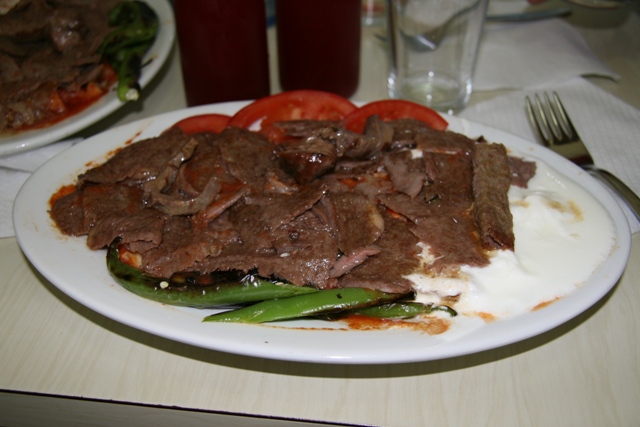

İskender Kebap: A Bursa Specialty
İskender kebap comes from Bursa, a city in northwestern Turkey with a long culinary heritage. The dish is associated with İskender Efendi, a nineteenth-century restaurateur credited with popularizing this particular way of serving döner. Instead of presenting the meat on its own or tucked into a sandwich, he arranged thin slices over chopped pide, a Turkish flatbread, and finished the plate with tomato sauce, yogurt, and melted butter.
The formula is simple, but the contrasts are what make it special. Warm meat and bread meet cool tangy yogurt; savory tomato sauce is rounded out by rich butter. Every forkful combines several textures and flavors. In Bursa, the dish is a point of local pride, and its reputation has traveled far beyond Turkey. Turkish restaurants around the world serve versions of it, and home cooks have adapted it to the equipment available in their own kitchens.
The Recipe I’m Exploring
For the recipe inspiration and a detailed home-cooking approach, I’m turning to Turkish Food Travel’s İskender Kebab Recipe by Ayşenur Altan. The recipe builds the döner from scratch and describes the traditional assembly with pide, tomato sauce, yogurt, grilled vegetables, and butter. It’s a useful reference for anyone who wants to experience the dish beyond a restaurant order.
At its core, the preparation involves marinated beef—often with some lamb for deeper flavor—cooked and sliced thinly. A home cook can prepare a döner-style meat mixture ahead of time, chill or partially freeze it for easier slicing, and brown portions in a hot pan. The tomato sauce is made with tomatoes or tomato paste, seasonings, and a little water until it reaches a spoonable consistency. Pide is cut into bite-size pieces and warmed, while yogurt is kept cool and thick.
Building the Plate
Assembly is where İskender becomes a complete experience. First, the bread goes onto a wide serving platter. The hot tomato sauce is spooned over it, softening the pide without turning it into an unrecognizable puddle. The browned meat is arranged on top. A generous scoop of plain yogurt sits to the side, often accompanied by grilled tomato wedges and green peppers.
Then comes the finishing touch: butter heated until it’s fragrant and sizzling, poured over the meat just before serving. This is not the moment for timid butter behavior. The sauce and butter seep into the bread, and the yogurt offers a refreshing counterpoint. I’d serve it immediately, while everything is hot and the bread has absorbed the flavors but still has a little structure.
Tips for a Home Kitchen in Sun Valley
Authentic döner is traditionally cooked on a vertical rotating spit, which is not exactly standard equipment in my Sun Valley kitchen. A skillet or griddle can still give you satisfying browned edges. Use a hot pan and cook the meat in batches; crowding it encourages steaming rather than browning. Thin slicing matters, so chilling the meat until firm can make the task much easier.
If Turkish pide is not available at a nearby bakery, a soft flatbread can stand in. I’d avoid a brittle cracker-like bread because the dish depends on that tender, sauce-catching base. For the yogurt, plain thick yogurt works well; a little salt is optional, but I like keeping it clean and tangy to balance the butter. Grilled peppers and tomatoes add color and a little smoky sweetness.
One practical trick: prepare the sauce, yogurt, and garnishes before the meat is cooked. İskender is best assembled quickly and served hot. It’s also a fun dinner for guests because the platter looks abundant and inviting. Just make sure everyone gets a little of the bread, meat, sauce, yogurt, and butter in each serving. That combination is the whole point.
Variations and What Makes It Comfort Food
There are plenty of home interpretations. Some cooks use beef alone; others combine beef and lamb for a flavor closer to traditional döner. Some use ready-made döner or leftover roast meat to make a faster weeknight version. The sauce may be more tomato-forward or mellowed with stock, and the bread can vary depending on what’s on hand. The defining elements remain meat over bread, tomato sauce, yogurt, and buttery finish.
İskender is also a reminder that comfort food doesn’t have to be complicated. It takes familiar building blocks—bread, meat, tomato, dairy—and arranges them in a way that feels generous. It’s the kind of dinner that encourages people to linger, and perhaps negotiate over the last sauce-soaked piece of pide. I recommend diplomacy, or making extra.
Watch an İskender Kebap Recipe Video
This video demonstrates a home-style İskender kebap preparation, including a döner approach and the saucy, buttery finish. It’s a helpful visual companion while planning the dish.
A Turkish Dinner Worth Repeating
İskender kebap brings Bursa’s food traditions to the dinner table with a beautiful balance of savory, creamy, tangy, and rich flavors. It’s a dish with history, but it remains adaptable for cooks far from Turkey. With a little planning, good bread, well-browned meat, and that final sizzling butter, I can create a memorable Turkish-inspired dinner right here in Sun Valley. And if the apron comes out of the evening looking like it fought a tomato sauce battle, I’ll consider that a sign of success.