Jose Mier here in Sun Valley, California, and today I’m trading quick skillet dinners for something that makes the whole kitchen smell like a Mediterranean holiday: Greek moussaka. This hearty baked dish layers tender eggplant, warmly spiced meat sauce, and a creamy béchamel topping that turns golden in the oven. It takes a little more time than a weeknight stir-fry, but the reward is a bubbling casserole that looks impressive enough for guests—and tastes so good that nobody will ask why I’ve been sneaking tastes from the pan.
What Exactly Is Moussaka?
Moussaka is best known today as a Greek classic, though related dishes appear across the Balkans and the Middle East. The versions differ from country to country, but many build flavor by layering eggplant or potatoes with a savory filling and baking everything together. The Greek-style preparation that many diners recognize features a rich meat sauce and a thick béchamel topping that browns beautifully in the oven.
It is the kind of dish that brings several textures to one forkful: soft vegetables, a fragrant tomato-and-meat filling, and a smooth, cheesy top. Cinnamon and oregano give the sauce warmth and herbal depth without making it taste like dessert. I know cinnamon in a savory dinner can surprise people, but trust me—it’s a supporting actor, not the star wearing a powdered wig.
The Recipe I’m Exploring
For this article, I’m looking to BBC Good Food’s classic moussaka recipe. It combines sliced eggplant and potatoes with minced lamb, onion, garlic, oregano, cinnamon, tomatoes, and a creamy béchamel finished with Parmesan and egg. The full recipe on BBC Good Food provides the detailed ingredient quantities and method; here, I’m focusing on the background, techniques, and little decisions that help make this dish a success at home.
Build Flavor Before You Build Layers
The first job is preparing the eggplant. Slice it evenly so the pieces cook at roughly the same rate, then brown the slices in batches. Eggplant behaves like a sponge, and it can absorb a surprising amount of oil, so use a hot pan and avoid pouring in oil without thinking. You want the slices tender and lightly golden, not weighed down with grease. Roasting the slices on a baking sheet is another useful approach when you’d rather spend less time standing over the stove.
Next comes the meat sauce. Brown the lamb well, then soften the onion and add the garlic, oregano, and a restrained pinch of cinnamon. Stir in tomato, tomato paste, and a splash of red wine if you’re following a recipe that calls for it. Let the mixture simmer until it thickens. A watery sauce can make the layers slide around, and moussaka should be a casserole—not a landslide in a baking dish.
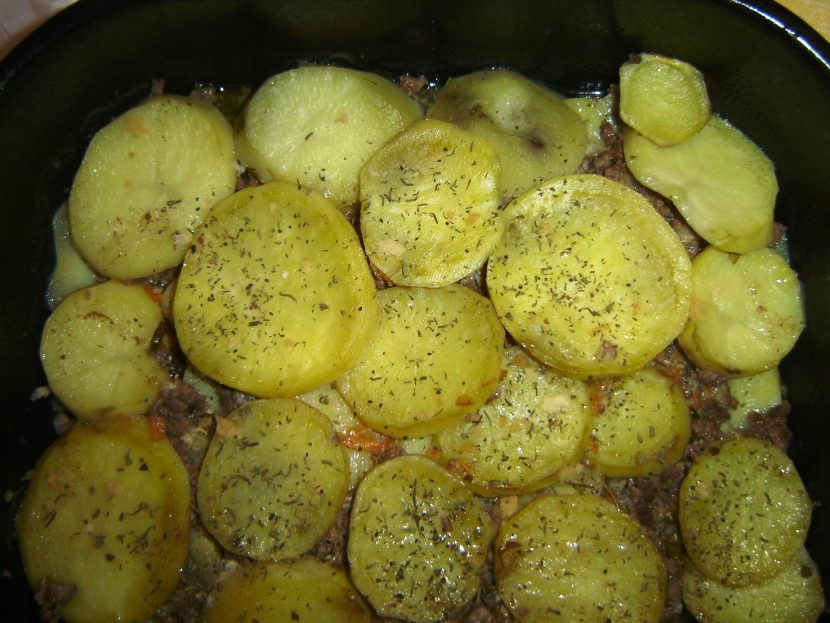
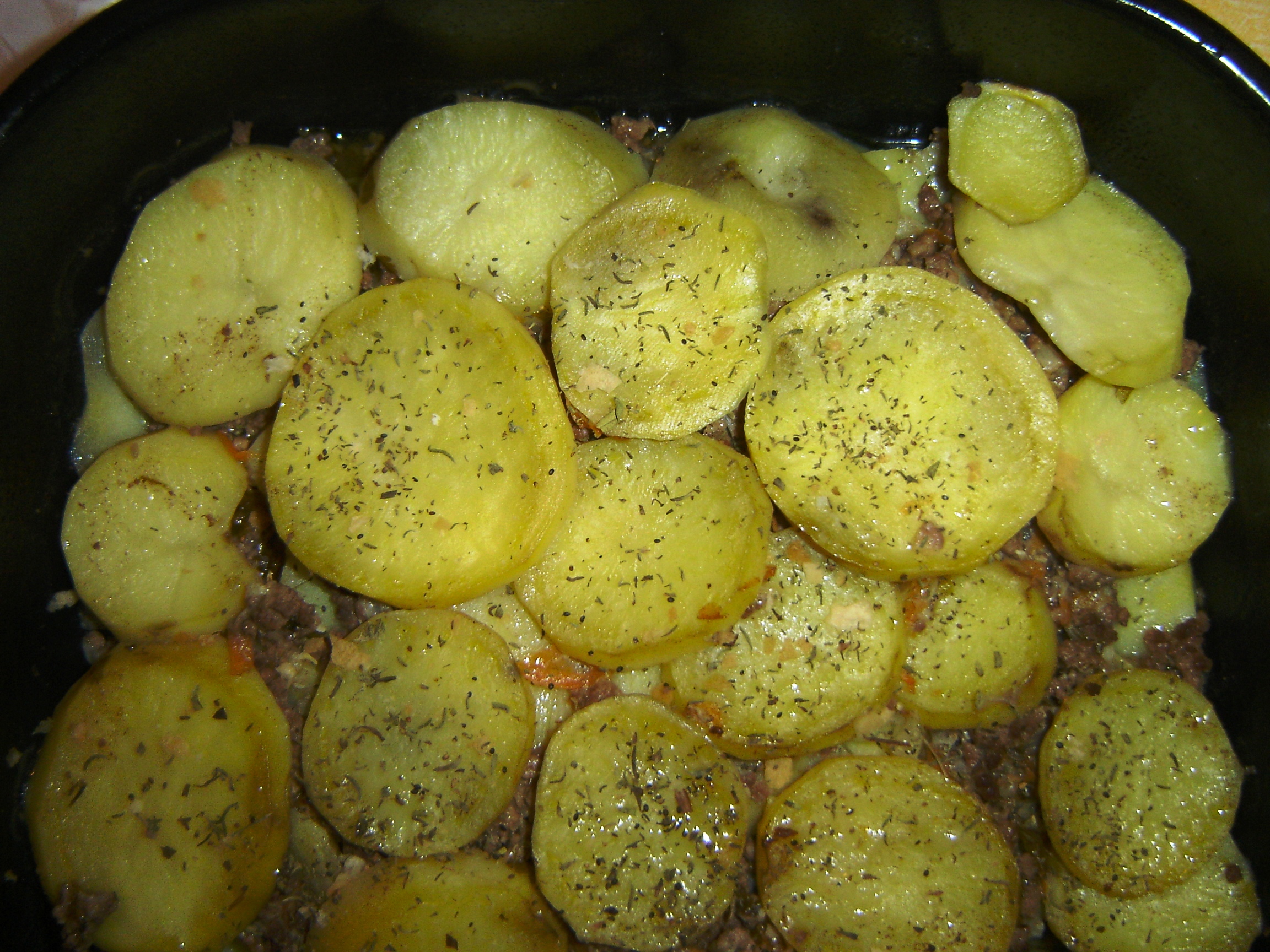
Potatoes are included in some versions, including the BBC Good Food recipe I’m using as inspiration. Slicing them evenly and briefly pre-cooking them helps them become tender in the oven. The exact arrangement can vary: some cooks place potatoes at the bottom, others use eggplant as the main vegetable layer, and some recipes skip potatoes entirely. There’s room for tradition and personal preference at the same table.
The Secret Is a Silky Béchamel
Béchamel is a basic white sauce made by cooking flour in melted butter and gradually whisking in milk. The key is patience. Add the milk little by little at first and whisk continuously to prevent lumps. Let the sauce cook until it thickens, then season it and add grated cheese and a little nutmeg if the recipe calls for it. Once the sauce has cooled slightly, egg can help it set into that characteristic golden, custardy layer.
When you assemble the dish, spread the meat sauce and vegetables in an even layer, then cover everything with béchamel. Don’t worry if your layers aren’t architectural masterpieces. The top is the part everyone sees, so smooth it gently with a spatula and finish with a little extra cheese if you like. Bake until the top is deeply golden and the filling bubbles around the edges.
One final tip: let the moussaka rest before slicing. Fresh from the oven, it’s delicious but loose; a short rest allows the layers to settle and makes neater portions possible. This also gives you time to set the table and pretend that you weren’t hovering by the oven door for the last twenty minutes.
Variations from Across the Region
There isn’t just one moussaka. Greek versions often have béchamel, while other regional variations may use potatoes as the main layer, different vegetables, or a simpler topping. Ground beef can replace lamb if it’s easier to find or suits your household better. For a vegetarian option, lentils, mushrooms, or a combination of beans and vegetables can create a hearty filling; season it generously so the flavor stands up to the eggplant and creamy topping.
You can also adjust the vegetables to what looks best at the market. Zucchini may join the eggplant, and some cooks add extra herbs or a little allspice. The important thing is to keep the filling thick and the layers balanced. If you experiment, change one or two elements at a time. That way, you’ll know whether your new variation deserves a permanent spot in the dinner rotation or just a polite mention in your kitchen diary.
What to Serve Alongside Moussaka
Moussaka is substantial enough to be the centerpiece, so the side dishes can stay fresh and simple. A Greek-style salad with tomato, cucumber, red onion, olives, and feta provides a crisp contrast. Warm pita or crusty bread is useful for catching any sauce left on the plate. If you want another vegetable, try lemony green beans or lightly dressed greens. I wouldn’t serve three heavy sides with this casserole unless the plan is to cancel every activity after dinner.
It’s also a terrific make-ahead meal. Prepare the components and assemble the casserole earlier in the day, then bake it when you’re ready, allowing extra time if it goes into the oven cold. Leftovers reheat well, and the flavors often seem even more harmonious the next day. For busy cooks in Sun Valley, that means one satisfying cooking session can provide dinner now and a second round later.
Watch a Moussaka Variation Come Together
For a visual look at another take on the dish, here’s a BBC Good Food video featuring Delia Smith making a vegetarian moussaka with lentils and eggplant. It’s not the same meat-based recipe linked above, but it demonstrates how flexible the layered casserole can be.
A Mediterranean Classic Worth the Effort
Moussaka rewards a cook who enjoys building flavor in stages. Brown the vegetables, give the sauce time to thicken, whisk the béchamel until smooth, and let the oven bring everything together. None of those steps is especially difficult on its own, and the result feels generous and celebratory. It’s the sort of dish I’d happily serve to friends, family, or anyone who believes dinner should be more than something hurriedly eaten over the kitchen counter.
My recommendation is to start with the BBC Good Food recipe, then make notes about what you’d like to adjust next time—perhaps a little more oregano, a different vegetable layer, or a vegetarian filling. With a casserole as adaptable as moussaka, there’s no shortage of ways to make it your own. Just remember to save yourself a corner piece with plenty of golden topping. A chef has to protect his interests, after all.