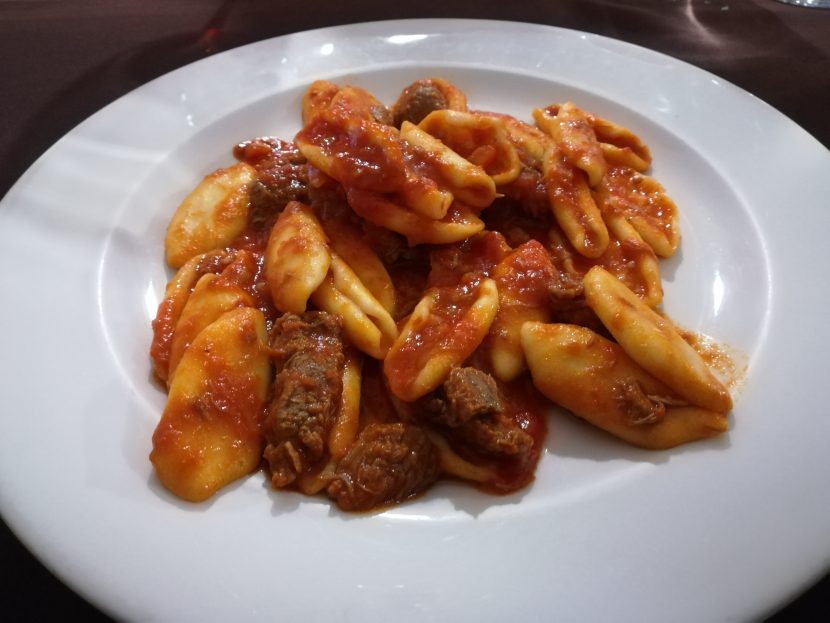
Jose Mier has a soft spot for a dinner that makes the whole kitchen smell like an Italian grandmother has moved in and taken over the stove. Sausage ragù is just that sort of meal: hearty, deeply savory, and welcoming enough to make even a Tuesday feel like a special occasion. Here in Sun Valley, California, I appreciate a recipe that brings big comfort without requiring me to wear a chef’s hat for six consecutive hours. RecipeTin Eats’ sausage ragù with pappardelle is my inspiration for this look at the dish, its roots, and the many ways cooks can make it their own.
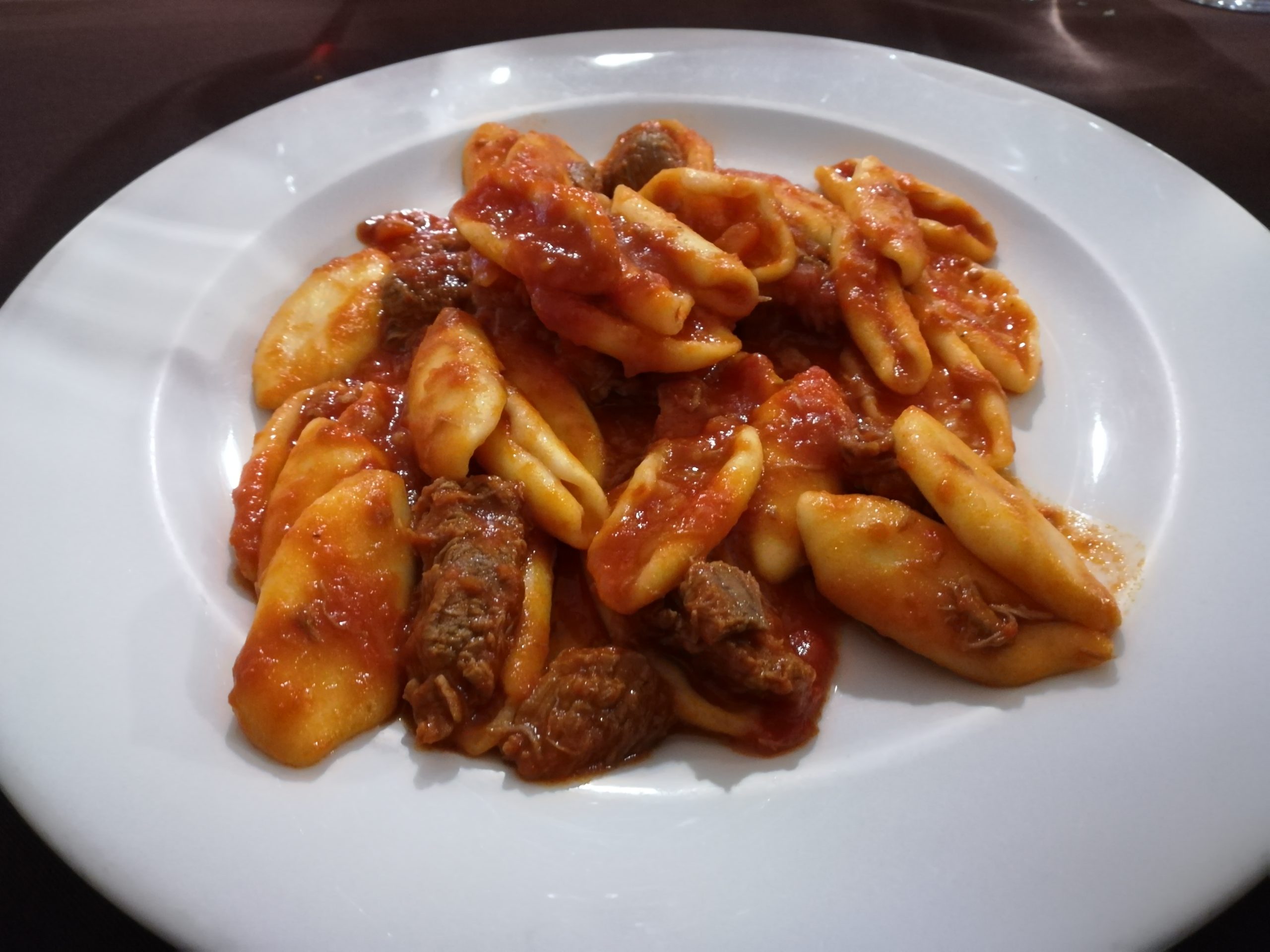
What Makes Sausage Ragù So Appealing?
Ragù is a family of slow-simmered sauces, often built around meat, aromatics, and tomatoes or wine. The name covers many regional Italian preparations, not one rigid formula. Sausage ragù brings a particularly generous flavor to the table: sausage is already seasoned with salt, pepper, fennel, garlic, and sometimes chile, so it contributes a head start toward a sauce with personality.
As the meat cooks, its savory richness mingles with onions, carrots, celery, tomato, and the liquid used to loosen and deepen the sauce. The result is not merely tomato sauce with sausage tossed in at the last minute. It is a cohesive, comforting mixture whose flavors have had time to become friends. I find this culinary friendship considerably more reliable than some of my own dinner-party introductions.
Ragù’s Italian Roots and Regional Character
Italian ragù traditions vary from region to region and household to household. The celebrated ragù alla Bolognese of Emilia-Romagna is associated with a carefully balanced meat sauce, commonly served with fresh egg pasta. In Naples and other parts of southern Italy, ragù can be a long, leisurely Sunday project, with meat simmering in tomato sauce for hours. Across the country, cooks adapt ingredients to local tastes, availability, and family habits.
Sausage is a natural ingredient in this tradition. Italian sausages may be seasoned differently depending on their region and maker, and those distinctions influence the final sauce. Sweet sausage lends a mellow, fennel-forward flavor; spicy sausage contributes heat and extra kick. Either can be delicious, and combining the two is a diplomatic solution when the dinner table contains both chile enthusiasts and people who think black pepper is adventurous.
The RecipeTin Eats Approach
The RecipeTin Eats sausage ragù recipe pairs sausage with pappardelle, a broad ribbon pasta that is especially good at catching a thick sauce. Its recipe approach emphasizes building flavor in the pan and allowing the ragù to simmer until it becomes rich and well integrated. The sausage provides the meaty base, while aromatics and tomato create balance. Pasta water can help bring the sauce and noodles together into a glossy finish.
One of the most useful ideas in a recipe like this is to treat the sauce as the main event, not a topping poured over plain noodles. Once the pasta is cooked, tossing it directly with the ragù gives the sauce an opportunity to cling to every ribbon. A little grated cheese at the end adds salty, nutty depth. I recommend serving promptly, before someone in the household decides to “taste-test” half the pan.
Why Pappardelle Works So Well
Pappardelle’s wide shape and substantial texture are excellent companions for ragù. Thin strands such as spaghetti can work, but broad noodles offer more surface area for the meat sauce to settle into. Tagliatelle is another classic choice, while rigatoni, penne, and other ridged shapes make practical alternatives. The ridges and hollow centers of some pastas act like tiny sauce-catching architectural features.
Fresh pasta tends to cook quickly and has a tender texture; dried pasta is convenient and often gives a firmer bite. Whichever you choose, cook it just shy of your preferred doneness if you plan to finish it in the sauce. This small step helps avoid the tragic fate of overcooked noodles—an event that can turn a chef’s confident grin into a concerned expression.
Variations for Different Dinner Tables
There is plenty of room to personalize sausage ragù. Use hot Italian sausage for a spicy version or mild sausage for a gentler sauce. A splash of red wine can add complexity; white wine can bring a lighter note. Some cooks add a pinch of fennel seed, oregano, or chile flakes. Others stir in a little cream or milk near the end for a softer, rounder finish.
For a vegetable-forward variation, finely diced mushrooms can bring earthy savoriness, while extra carrots and celery add sweetness and texture. If you want a lighter balance, serve smaller portions of pasta alongside a crisp green salad. And for a different pasta night, spoon the ragù over gnocchi, polenta, or even baked pasta. The sauce is versatile enough to make a second appearance, which is good news for the cook and the container collection in the refrigerator.
Planning Ahead and Serving
Ragù is a strong candidate for make-ahead cooking. The sauce can be prepared earlier and refrigerated once cooled; reheat it gently, adding a splash of water or broth if it has thickened. Like many braised and simmered dishes, its flavors may develop further after resting. Keep cooked pasta separate if preparing in advance, then boil fresh noodles when ready to serve for the best texture.
At dinner, I like to keep the accompaniments simple: a green salad, a loaf of crusty bread, and perhaps a modest sprinkle of Parmesan. The sauce already brings plenty of richness, so the table does not need a parade of side dishes. This is a meal designed for conversation, second helpings, and the cheerful debate over who gets the last ribbon of pappardelle.
A Comforting Classic Worth Revisiting
Sausage ragù succeeds because it combines familiar ingredients with a little patience. Its Italian roots offer inspiration rather than a rulebook, and its adaptable character makes it welcome in kitchens far beyond Italy. RecipeTin Eats’ version is a useful starting point for anyone craving a hearty pasta dinner, while the broader ragù tradition invites experimentation with sausage styles, pasta shapes, and seasonings.
As Jose Mier in Sun Valley, I’m always interested in recipes that deliver generous flavor and a good story. This dish does both. Take your time with the sauce, choose pasta that can hold its own, and remember: if the kitchen smells wonderful, you are probably doing something right. Just make sure you save enough for dinner.
Recipe inspiration: RecipeTin Eats – Sausage Ragù