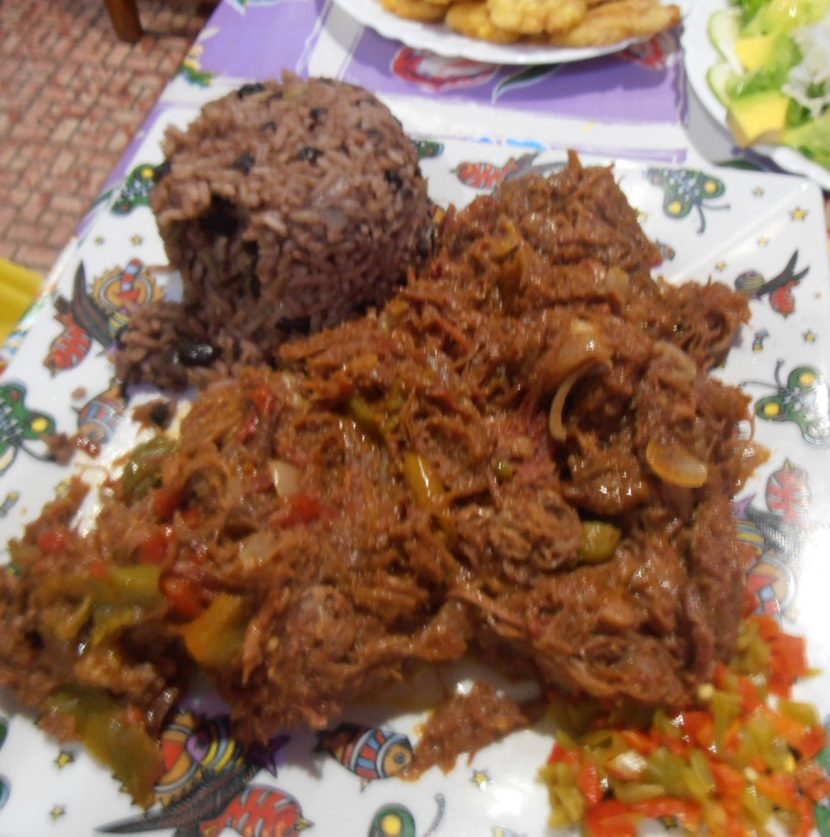
Jose Mier here in Sun Valley, California, and I have a soft spot for dishes that make the kitchen smell like somebody’s grandmother has been quietly winning at life for the last three hours. Cuban ropa vieja is one of those dishes. It is tender shredded beef simmered with peppers, onions, tomatoes, garlic, and warm spices, usually served with rice and black beans. The name translates roughly as “old clothes,” which sounds like a warning from the laundry room—but the flavor is anything but shabby.
For inspiration, I looked at the Ropa Vieja recipe from Food Network. My version follows the same comforting spirit: beef cooked until it pulls apart easily, then folded into a savory tomato-and-pepper sauce. Ropa vieja takes patience more than fancy technique, and patience is easier to find when something delicious is bubbling away.
What Is Ropa Vieja?
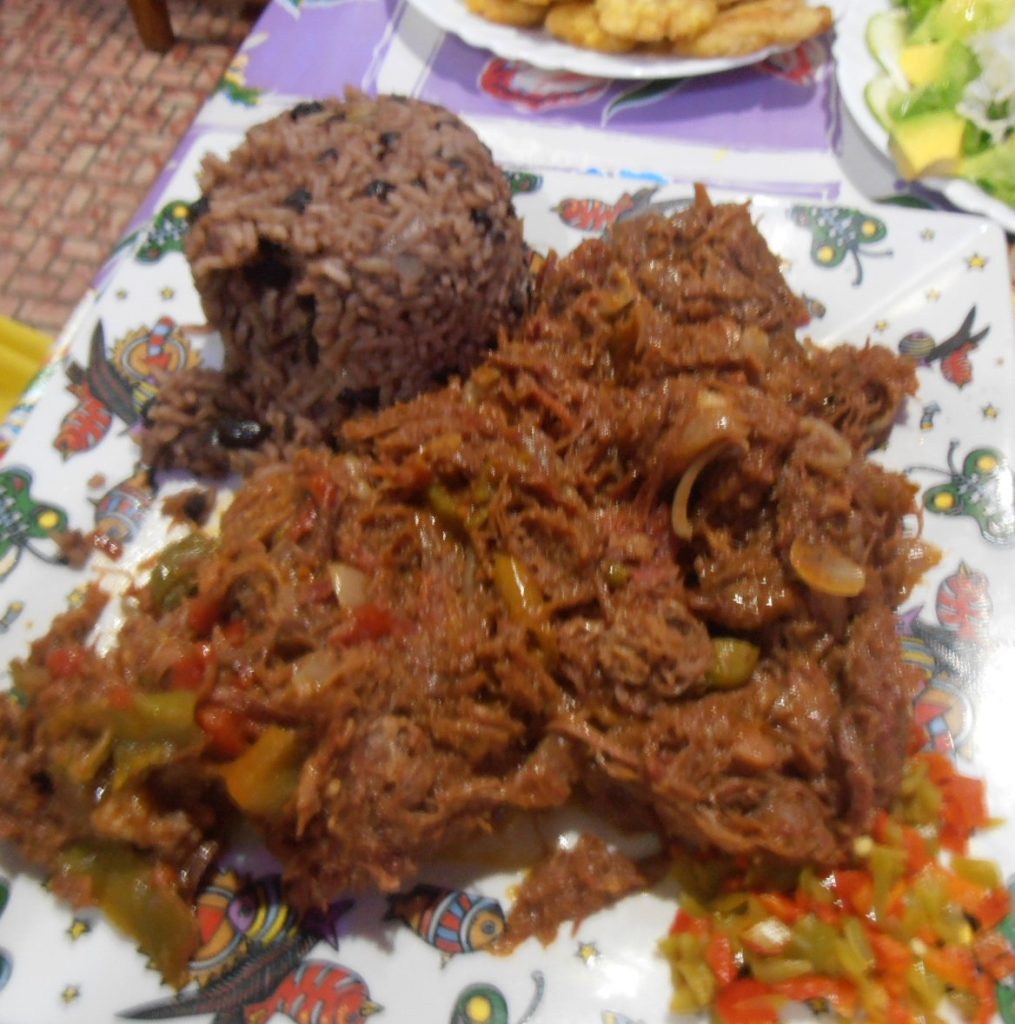
Ropa vieja is one of Cuba’s best-known dishes, though versions of shredded beef stewed with vegetables appear across the Spanish-speaking Caribbean and beyond. The name refers to the beef’s stringy, ragged appearance after it is cooked and pulled apart. Happily, this is one of the rare occasions when looking a little like an old sweater is a culinary compliment.
The dish is often associated with Cuban home cooking and celebratory family meals. Its flavor comes from a base of onions, peppers, garlic, tomato, and spices—often called a sofrito-style foundation. Slow cooking gives the beef time to become tender and absorb the sauce. Every household has its own preferred balance of sweetness, acidity, and seasoning, which is part of the fun.
Ingredients I Like to Use
- 2 to 2½ pounds flank steak or another braising cut of beef
- 2 tablespoons olive oil
- 1 large onion, thinly sliced
- 1 red bell pepper and 1 green bell pepper, thinly sliced
- 4 cloves garlic, minced
- 1 teaspoon ground cumin
- 1 teaspoon dried oregano
- ½ teaspoon smoked or sweet paprika
- 1 can (14–15 ounces) crushed tomatoes
- 1 cup beef broth, plus more as needed
- ½ cup sliced green olives, optional but delicious
- 1 tablespoon capers, optional
- 1 bay leaf, salt, black pepper, and a little chopped cilantro or parsley
Some cooks add a splash of dry white wine, a pinch of sugar, or a few raisins. I say taste as you go. A recipe is a map, not a tiny culinary police officer standing over your shoulder.
How I Make It
- Season and brown the beef. Pat the steak dry and season it with salt and pepper. Heat the olive oil in a heavy Dutch oven over medium-high heat, then brown the beef on both sides. Work in batches if needed; crowding the pot steams the meat instead of building flavor.
- Build the aromatic base. Move the beef to a plate. Add the onion and bell peppers to the pot and cook until softened, about 5–7 minutes. Stir in the garlic, cumin, oregano, paprika, and bay leaf for another 30 seconds, just until fragrant.
- Start the braise. Add the crushed tomatoes and broth, scraping up the browned bits from the bottom. Return the beef to the pot. The liquid should come partway up the meat; add a little broth if necessary.
- Cook until tender. Cover and simmer gently on the stovetop for about 2½–3 hours, turning the beef occasionally, until it yields easily to a fork. Alternatively, cook it in a 325°F oven. Keep the simmer gentle—boiling aggressively is no shortcut to tenderness.
- Shred and finish. Transfer the beef to a board and pull it into long strands with two forks. Remove the bay leaf, then return the shredded beef to the sauce. Stir in olives and capers if using, and simmer uncovered for 10–15 minutes so the flavors mingle and the sauce thickens. Taste and adjust salt, pepper, or acidity.
What to Serve Alongside It
White rice is the classic partner because it catches the tomato-rich sauce beautifully. Black beans add earthy flavor and make the meal more substantial. Fried sweet plantains bring a caramelized sweetness that balances the savory beef, while a crisp green salad keeps the plate from feeling too heavy. If plantains are unavailable, roasted sweet potatoes are a fine Sun Valley kitchen substitute.
Ropa vieja is also excellent for meal prep. The flavor often deepens overnight, making leftovers something to look forward to rather than something to endure. Store cooled beef in a sealed container in the refrigerator for up to three or four days, or freeze portions with plenty of sauce. Reheat gently until steaming hot, adding a splash of broth if the sauce has tightened.
Easy Variations
Flank steak gives you long, distinct strands, but chuck roast works well and can be more forgiving. For a quicker weeknight approach, use a pressure cooker or slow cooker and follow the appliance’s timing guidance for your cut and quantity. You can make the sauce more pepper-forward, add a little wine, or increase the olives and capers for a brinier finish. If you prefer less beef, shredded chicken can take on similar seasonings, although it will have a different texture and a shorter cooking time.
The key is not to rush the tenderizing stage. The beef should shred with almost no resistance, and the sauce should cling to the strands instead of pooling like soup. If the meat is still tough, it usually needs more time—not a stern lecture.
A Cuban Classic Worth the Wait
What I appreciate about ropa vieja is how it turns humble ingredients into a deeply satisfying dinner. There is no complicated plating, no ingredient that requires a special trip to a secret market, and no need to pretend dinner is a science experiment. Give the beef time, season the sauce thoughtfully, and serve it with rice, beans, and plantains. You will have a generous, colorful meal that feels equally at home at a family table or a relaxed weekend dinner here in Sun Valley.
For a visual walkthrough, here is a video showing the process of making classic ropa vieja:
Recipe inspiration: Food Network’s Ropa Vieja. This article shares my own overview and serving ideas; consult the linked recipe for its specific quantities and method.