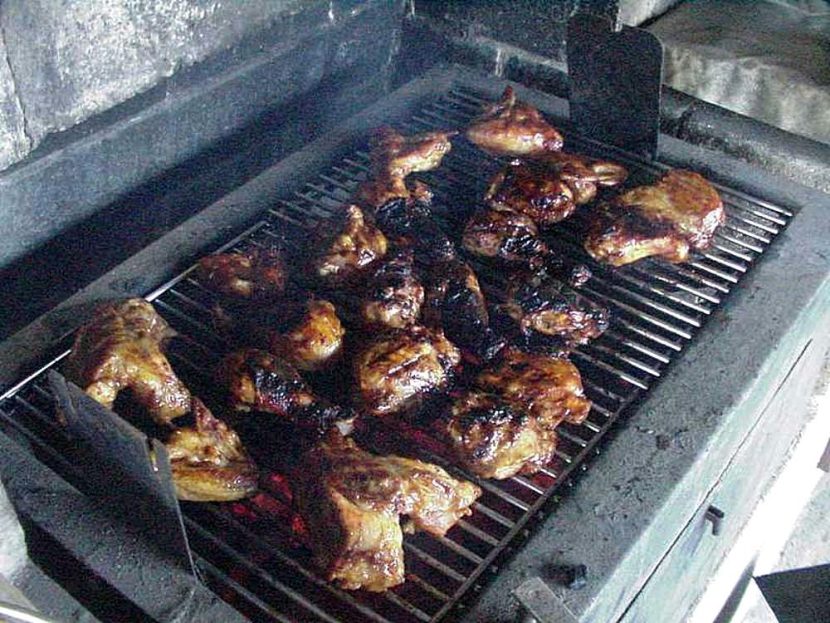
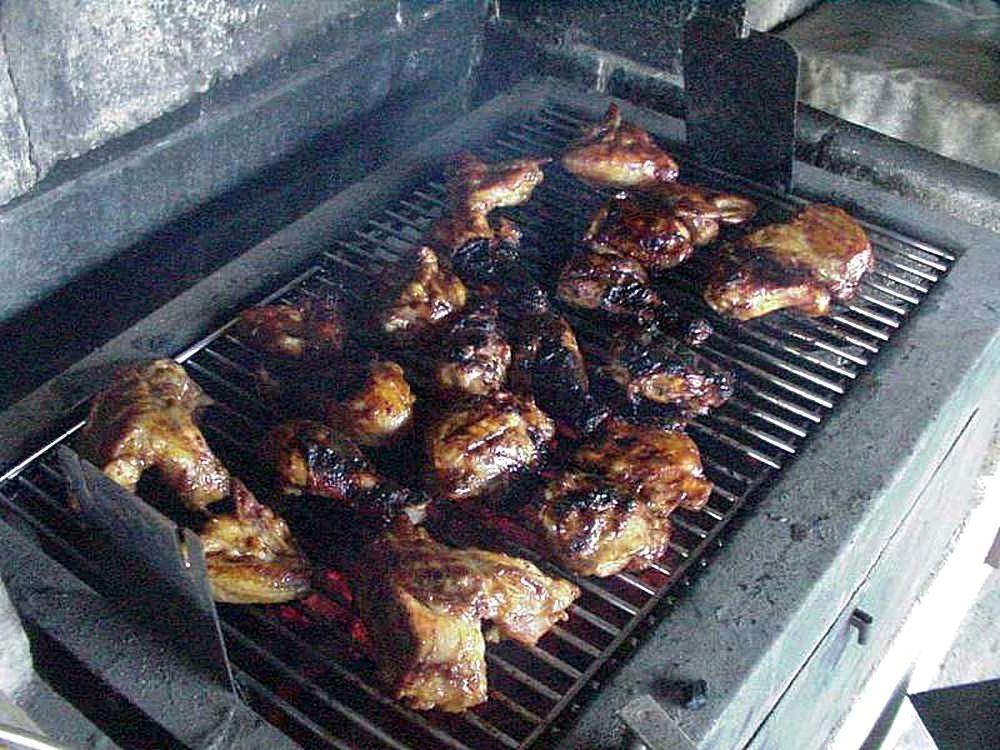
Jose Mier here, and I have a confession: I believe a good barbecue sauce can turn an ordinary Tuesday into a small culinary holiday. Maple BBQ chicken is one of those dishes that hits several delicious notes at once—sweet maple richness, tangy tomato and vinegar, savory garlic and onion, and the comforting flavor of seared chicken. It is not complicated, but it tastes like you made a plan. I am a chef, so naturally I appreciate recipes that make me look organized even when the kitchen resembles a cooking show filmed during a mild emergency.
Maple Syrup Meets Classic Barbecue Flavor
Barbecue sauce has countless regional personalities across the United States. Some versions lean toward vinegar, others toward mustard, tomato, smoke, or spice. Maple BBQ sauce brings another dimension: the deep, woodsy sweetness of real maple syrup. Maple syrup has long been a staple in northeastern North American cooking, where sap from maple trees is boiled down into a concentrated sweetener. Combining it with the familiar ketchup-and-vinegar structure of barbecue sauce creates a glaze that feels both traditional and a little unexpected.
Maple is not simply sugar in a different outfit. Pure syrup has distinctive caramel, toasted, and earthy notes that contribute flavor as well as sweetness. In a sauce, it can soften vinegar’s sharp edge and balance the savory ingredients. The key is using real maple syrup rather than pancake syrup made primarily with corn syrup and flavoring. That difference becomes especially apparent when the sauce simmers and its flavors concentrate.
The Recipe Inspiration: A Skillet of Sweet and Savory Chicken
The recipe I am exploring comes from Cookies for England, whose Maple BBQ Chicken recipe pairs chicken tenderloins with a homemade sauce. The original method is a useful reminder that barbecue flavor does not require an outdoor grill. Chicken is browned in a hot skillet, then garlic and onion are sautéed in the same pan. Ketchup, pure maple syrup, dry mustard, apple cider vinegar, butter, and seasonings come together into a quick sauce. The chicken returns to the pan to get coated generously.
That one-pan approach is a winner for weeknight dinner. Browning the chicken first builds savory flavor, and the browned bits left behind in the skillet become part of the sauce. The sauce simmers briefly until it thickens. If a thicker coating is your preference, a small cornstarch slurry can help it along. I like sauces that cling to the meat rather than immediately making a break for the bottom of the plate.
Why the Flavor Combination Works
Sweet and sour flavors have been paired with savory foods in cuisines around the world for generations. In this dish, maple syrup gives the sauce body and sweetness, while apple cider vinegar adds acidity. Ketchup supplies tomato flavor and a familiar barbecue base. Dry mustard contributes a gentle sharpness, and garlic and onion provide aromatic depth. Butter rounds out the texture and gives the sauce a glossy finish.
There is also a practical cooking benefit: the sauce is quick to prepare from everyday pantry ingredients. It can be adjusted to suit the dinner crowd. A little smoked paprika can bring a hint of grill character; cayenne or chipotle can add heat; a dash of Worcestershire sauce can deepen the savory side. I recommend changing one thing at a time, unless you enjoy conducting flavor experiments that require a fire extinguisher and a very forgiving family.
Choosing Chicken and Getting a Good Sear
Tenderloins are convenient because they cook quickly and are naturally portion-friendly. Boneless chicken breasts cut into strips can work as well. Thigh meat is another delicious option, particularly for cooks who prefer a juicier texture and a little more richness. The important thing is to keep pieces relatively even in thickness so they cook at a similar pace.
For a proper sear, give the skillet time to heat and avoid crowding the chicken. Pat the meat dry before seasoning it with salt and pepper. If the pan is packed too tightly, moisture can accumulate and the chicken may steam instead of browning. Work in batches if needed. Once the chicken has developed a golden exterior, set it aside while the sauce ingredients are prepared.
Chicken must be cooked to a safe internal temperature of 165°F (74°C), measured with a food thermometer at the thickest part. Color alone is not a dependable test. Since the chicken is returned to the simmering sauce, check that it reaches the safe temperature before serving.
Grill, Oven, or Stovetop? Maple BBQ Chicken Travels Well
The skillet version is convenient year-round, but maple barbecue flavors can be adapted to other cooking styles. On an outdoor grill, chicken pieces can be cooked over moderate heat and brushed with the sauce toward the end. Because maple syrup contains sugars, applying the glaze too early over intense heat may cause it to scorch. Keep an eye on the chicken, turn it as needed, and use indirect heat if the exterior is darkening before the center is done.
For an oven method, arrange seasoned chicken in a baking dish and brush with maple barbecue sauce. Bake until cooked through, basting partway through if desired. A final brief broil can add color, but sugary sauces can burn quickly under a broiler, so stay close. The stovetop is especially useful for tenderloins, while thighs may benefit from a longer, gentler cook depending on their size.
Serving Ideas for a Complete Dinner
Maple BBQ chicken is comfortable alongside classic barbecue sides: roasted potatoes, corn, coleslaw, green beans, or a crisp salad. Rice is a practical choice because it catches any extra sauce, and mashed potatoes make the meal feel especially cozy. For a lighter plate, pair the chicken with roasted vegetables and a fresh slaw with a tangy dressing to balance the glaze.
I also like to think about texture. The chicken and sauce are tender and glossy, so a crunchy side—slaw, cucumber salad, or toasted bread—adds contrast. If you are serving guests, spoon a little extra sauce over the chicken at the table. Keep any sauce that has contacted raw chicken separate; use a clean utensil and reserve a portion for serving before it touches raw meat.
Variations Worth Trying
Maple BBQ chicken is a flexible starting point. For a smoky version, add smoked paprika or a small amount of chipotle. For a citrus twist, a little orange zest can brighten the sauce. A spoonful of Dijon mustard gives it a more pronounced tang, while a touch of black pepper can add a pleasantly warm finish. You can also try the sauce on pork chops or roasted vegetables, though the cooking time and technique will need to suit the ingredient.
My preference is to keep the maple flavor recognizable. It should complement the barbecue sauce, not make dinner taste like a dessert that wandered into the wrong room. Balance is what makes this dish appealing: sweet, tangy, savory, and just rich enough.
A Weeknight Dish with Cookout Spirit
What I enjoy about maple BBQ chicken is that it brings the spirit of a backyard cookout into a simple skillet dinner. The recipe does not demand elaborate equipment or a long list of specialty ingredients. It rewards a few good cooking habits—properly heating the pan, browning the chicken, letting the sauce simmer, and checking doneness—with a meal that feels satisfying and thoughtfully prepared.
From my kitchen in Sun Valley, I am always looking for recipes that deliver big flavor without turning dinner into a full-day project. This maple-sweetened barbecue chicken does exactly that. It is a welcome option for family meals, casual company, or any evening when a little sweet-and-savory magic sounds right. And if someone asks whether you spent all afternoon making the sauce, you may simply smile. A chef is allowed to keep a few secrets.
Watch: Maple BBQ Chicken Tenders
Here is a video for another take on maple BBQ chicken, with a spicy twist: