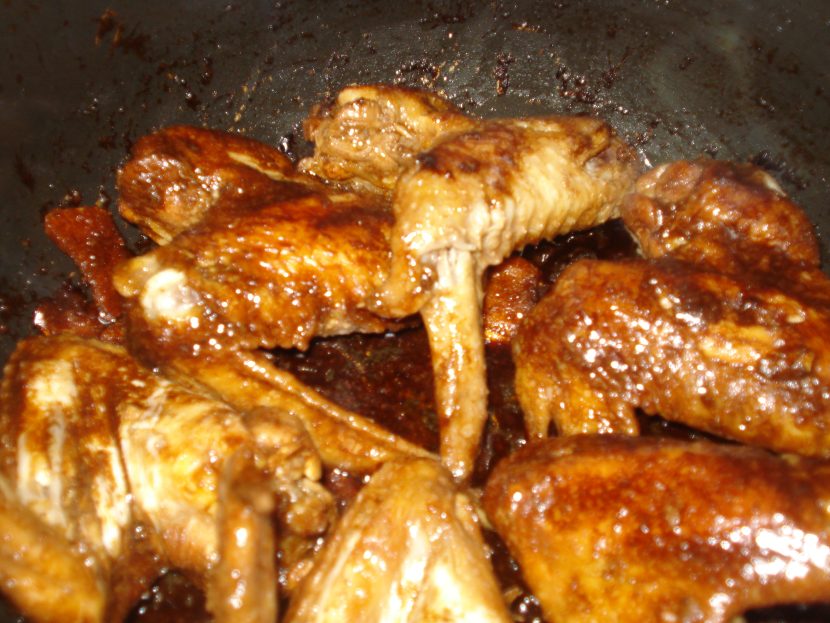
Jose Mier here in Sun Valley, California, where I’m forever hunting for dinner ideas that bring big flavor without requiring a culinary expedition involving twelve pans and a search party. Today’s discovery is Filipino chicken adobo, a comforting dish of chicken gently braised with vinegar, soy sauce, garlic, peppercorns and bay leaves. The recipe I’m using as my starting point comes from Food Network’s Filipino Chicken Adobo. It’s the kind of dinner that proves a handful of pantry ingredients can do some very impressive work.
What Makes Filipino Chicken Adobo Special?
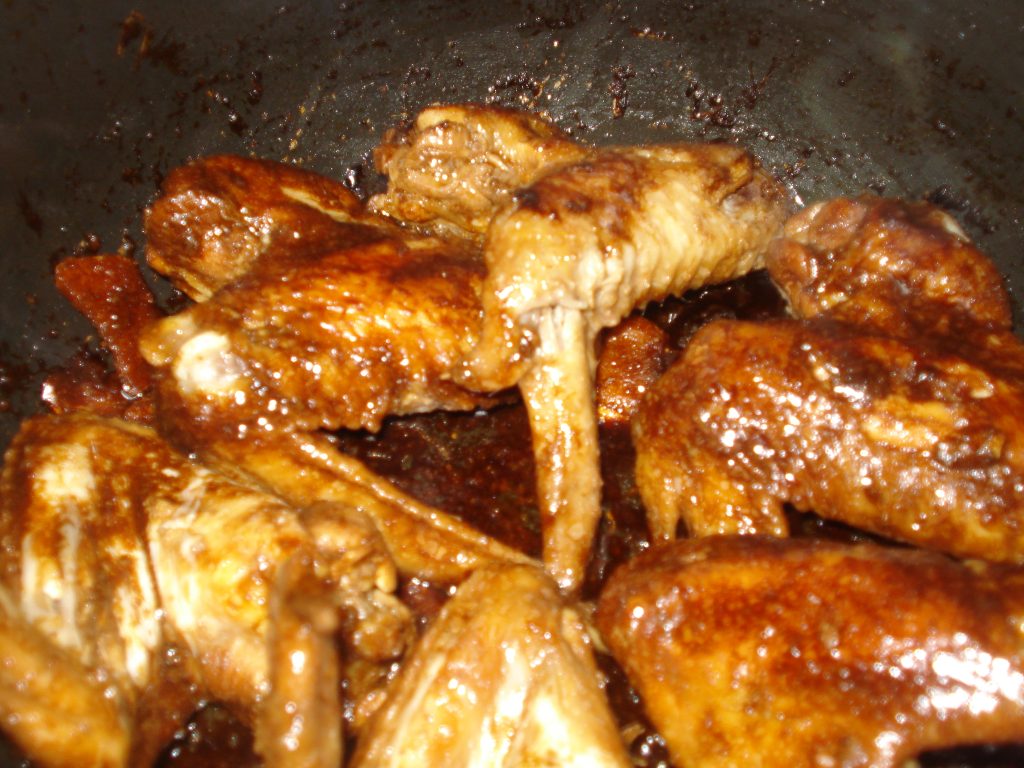
Chicken adobo balances savory, tangy and deeply aromatic flavors. Soy sauce brings saltiness and umami, vinegar supplies a bright acidity, garlic contributes its unmistakable punch, and bay leaves and peppercorns round out the sauce. As the chicken simmers, the cooking liquid becomes glossy and concentrated, coating the meat and making an excellent partner for steamed rice.
The word “adobo” is associated with marinating or seasoning, and the name was applied to the Filipino dish during Spanish colonial times because the cooking method resembled Spanish adobo preparations. The method itself grew from local cooking traditions, including the use of vinegar to preserve and flavor food in a warm climate. Today, adobo is one of the best-known dishes of the Philippines, but there isn’t just one official family recipe. Ask several Filipino cooks how they make it and you may get several heartfelt answers—and perhaps an invitation to dinner.
The Recipe That Inspired My Kitchen Search
The Food Network recipe by Corinne Domingo keeps the ingredient list straightforward: chicken thighs, white vinegar, soy sauce, crushed garlic, black peppercorns and bay leaves. The chicken is marinated in the refrigerator, then simmered in that same flavorful liquid until tender. Removing the lid toward the end allows the sauce to reduce and turn glossy. Food Network suggests serving the chicken with steamed rice, which is practically mandatory in my book because that sauce deserves a proper landing pad.
For exact ingredient amounts and step-by-step instructions, visit the original Food Network chicken adobo recipe. I like to read a recipe all the way through before starting. It’s a small habit that prevents the classic chef’s mistake of discovering halfway through dinner that the required ingredient is still at the grocery store.
Tips for a Tender, Flavorful Adobo
First, give the chicken time to marinate if your schedule allows. Even a little time helps the garlic, soy and vinegar begin working their way into the meat. Keep the chicken refrigerated during marinating, and use the marinade as directed in the recipe rather than treating raw-chicken liquid casually.
Second, simmer gently rather than boiling the chicken aggressively. A steady, low simmer helps the meat become tender while the sauce develops flavor. When it’s nearly done, uncover the pot and watch the liquid as it reduces. You want a sauce that clings to the chicken, not a scorched mystery glued to the bottom of your favorite pot. If the liquid reduces too quickly before the chicken is tender, lower the heat and add a small splash of water.
Finally, taste before adding extra salt. Soy sauce already brings plenty of saltiness, and reduction concentrates it. I’d rather add a little at the end than turn dinner into an unexpected lesson in drinking eight glasses of water.
Variations From Filipino Home Kitchens
One of the reasons I love adobo is that cooks adapt it to their tastes and the ingredients available. Some versions use more vinegar for a sharper tang; others favor soy sauce for a darker, saltier finish. Coconut milk can be added for a richer, creamier style often called adobo sa gata. Some cooks brown the chicken before braising or fry it briefly after simmering to crisp the skin. Pork adobo is another popular variation, and some families combine chicken and pork in the same pot.
You can also experiment with the balance of flavors while respecting the dish’s basic character. A few slices of ginger or a little chili may suit your palate, though they will move the dish away from the simple version I’m exploring here. I recommend trying a traditional approach first, then making notes about what you’d change next time. That’s how personal house specialties are born—and how chefs justify buying another notebook.
What to Serve With Chicken Adobo
Steamed white rice is the classic companion because it absorbs the tangy, savory sauce. Garlic rice is a delicious alternative if you want to lean into the aroma. For something fresh alongside the rich chicken, serve cucumber salad, quick-pickled vegetables, sautéed green beans or roasted greens. A little sliced scallion can add color and freshness, while a squeeze of citrus at the table can brighten the flavors.
Adobo also makes excellent leftovers. The flavors often deepen after resting overnight, so it can be a smart make-ahead meal for busy weeknights. Refrigerate leftovers promptly in a covered container and reheat thoroughly. If the sauce thickens too much in the refrigerator, loosen it with a spoonful of water as it warms.
Video: Watch this Filipino chicken adobo recipe tutorial for a visual guide to the traditional braising method.
Why This Dish Belongs in the Dinner Rotation
From my Sun Valley kitchen perspective, chicken adobo checks several important boxes: accessible ingredients, satisfying flavor, and a cooking method that doesn’t require constant attention. Once the chicken is simmering, there’s time to prepare rice and a vegetable side, set the table, or clean up the evidence of my earlier kitchen experiments. The final dish feels special, but it doesn’t demand restaurant-level fuss.
If you’re new to Filipino cooking, this is a welcoming place to begin. The vinegar and soy sauce combination may seem simple, but it creates a sauce with real depth. Follow the Food Network recipe for the full method, then explore regional and family variations as your confidence grows. I’m adding chicken adobo to my dinner list—and I suspect the rice cooker will be getting a workout. For more dinner inspiration from my culinary explorations, visit jose-mier.net.