Jose Mier here, and I have once again gone wandering around the internet looking for a dinner that will make my kitchen smell like I know exactly what I am doing. This time I found musakhan, a Palestinian chicken dish built around roasted chicken, deeply softened onions, tangy sumac, olive oil and flatbread. It is completely different from the usual chicken dinners I have been cooking lately, and that is precisely why it caught my attention. I like a recipe that gives my taste buds a passport without requiring me to buy an actual plane ticket from Sun Valley.
Where I Found the Recipe
The recipe that inspired me is Palestinian Musakhan from The Golden Balance. The recipe combines chicken with an aromatic spice mixture, onions cooked in olive oil, sumac and toasted pine nuts, then serves everything over flatbread. The published recipe makes four to six servings and uses bone-in, skin-on chicken leg quarters. I especially like that approach because dark meat stays juicy while it takes on all those warm spices.
I am not reproducing the source recipe word for word here. Instead, I am using it as my starting point and exploring what makes musakhan such an interesting dinner. For exact ingredient quantities and the complete cooking directions, I recommend using the original recipe above. That way the talented people who developed it get the credit, while I get to talk about food, which is conveniently my favorite hobby.
What Is Musakhan?
Musakhan is a traditional Palestinian dish centered on roasted chicken, onions, olive oil, sumac and bread. The name is associated with the idea of heating or warming, and the assembled dish is traditionally brought together over flatbread. What makes it memorable is the balance between rich and bright flavors. The olive oil and chicken provide richness, while sumac contributes a pleasantly tart quality that keeps the dish from becoming heavy.
Then there are the onions. Lots of onions. I have never complained about a recipe calling for onions, but musakhan takes the relationship seriously. The onions are cooked slowly in olive oil until soft and richly flavored. They become almost a sauce in their own right, soaking into the bread and surrounding the chicken with sweetness and spice.
The Importance of Sumac
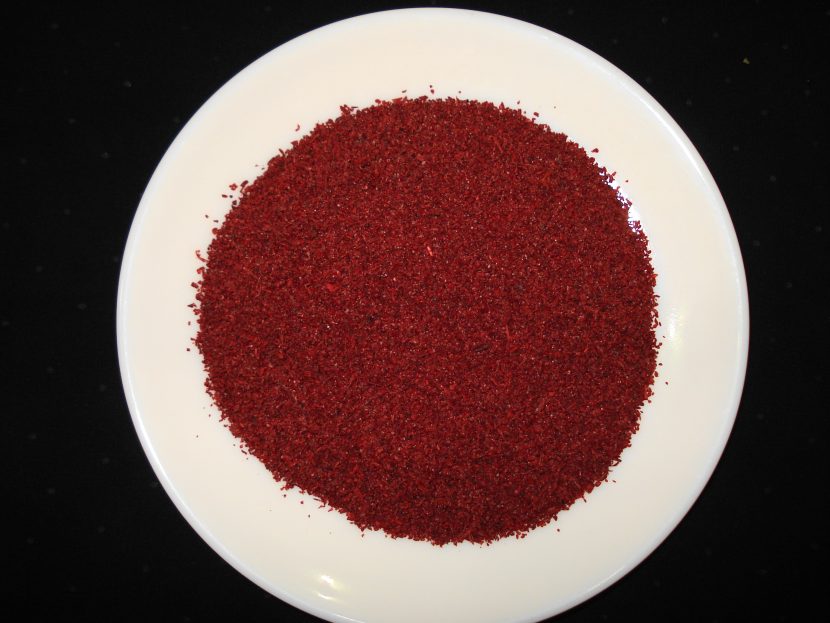
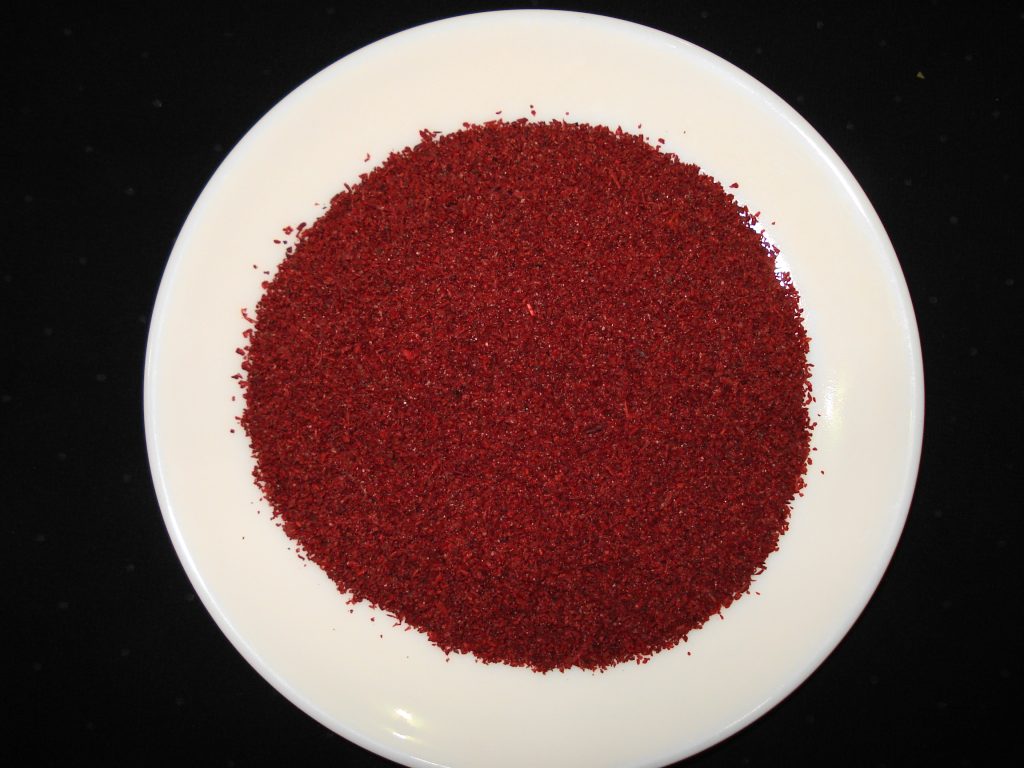
If I had to name the ingredient that gives musakhan its personality, I would choose sumac. It has a lemony, tart flavor without being exactly like lemon juice, and its deep reddish-purple color makes the dish visually distinctive as well. Sumac has long been used in Middle Eastern cooking, where it can brighten salads, grilled meats, dips and rice dishes.
For a cook who likes experimenting, sumac is a useful ingredient to keep around. I can imagine sprinkling it over roasted vegetables, hummus, grilled fish or even a simple salad. That means buying a container for musakhan does not have to become one of those pantry decisions that eventually produces a mysterious jar from 2019.
Why the Onion and Olive Oil Combination Works
The onion mixture is the other great feature of this dish. Slowly cooked onions become sweeter and more concentrated as their moisture cooks away. Olive oil carries their flavor and also helps moisten the flatbread when the dish is assembled.
This is a good example of why simple cooking techniques matter. There is no need for a complicated sauce with fifteen ingredients. Instead, time does some of the work. The onions soften, the spices bloom and the olive oil ties everything together. As a chef, I appreciate recipes that understand patience better than I do.
From Roast Chicken to Complete Dinner
The chicken itself is seasoned with a mixture of warm spices. The Golden Balance version uses ingredients including allspice, cinnamon, coriander, black pepper, cardamom and nutmeg. That combination gives the chicken a fragrant character that is very different from the garlic-herb profiles I might normally use for roasted chicken.
After roasting, the chicken is brought together with the seasoned onions and flatbread. Toasted pine nuts provide crunch and a nutty finish. The result is not simply chicken sitting beside bread. The bread becomes part of the dish, absorbing juices and onion-infused olive oil. That is the sort of efficiency I admire: one component of dinner becomes a delicious delivery system for another.
A Dish With a Strong Cultural Identity
Musakhan is closely associated with Palestinian cuisine and with the agricultural traditions surrounding olive oil and sumac. It is a dish that demonstrates how regional cooking develops around ingredients that are readily available and culturally important. Olive oil is central to the cuisine of the eastern Mediterranean, while sumac provides a distinctive local flavor that can make a relatively simple chicken dish immediately recognizable.
I also like the communal nature of the presentation. A large platter of chicken and bread is the kind of dinner that encourages people to gather around the table. You are not necessarily constructing a tiny restaurant plate with three ingredients arranged at precise angles. You are putting something substantial in the middle and inviting everybody to dig in. Frankly, that sounds like a very good evening to me.
Variations I Would Try
Once I understand the basic structure of musakhan, I can see plenty of opportunities for experimentation. Chicken thighs are an obvious choice, and I would also consider a mixture of thighs and drumsticks when cooking for a group. Different flatbreads could be used if traditional taboon bread is difficult to find.
The nut topping can vary, too. Pine nuts are traditional in many versions, but toasted almonds would provide a nice alternative. I would keep the sumac prominent, because removing it would be like making spaghetti sauce without tomatoes and then wondering why everybody looks confused.
For a lighter variation, I could serve the chicken and onion mixture with a smaller amount of bread and add a crisp salad alongside it. A cucumber, tomato and herb salad would provide coolness and contrast. Yogurt-based sides could also provide a cool contrast to the warm spices and tangy sumac. For a bigger feast, hummus, roasted vegetables and additional flatbread would fit naturally on the table.
My Sun Valley Dinner Plan
If I were making musakhan for dinner in my Sun Valley kitchen, I would organize the preparation before turning on the oven. I would measure the spices, season the chicken, slice the onions and have the flatbread ready. The onions deserve attention, because rushing them would sacrifice some of the sweetness that makes the finished dish so appealing.
I would also toast the pine nuts carefully. Pine nuts can go from beautifully golden to culinary charcoal in what feels like twelve seconds, so this is not the moment to wander off and check email. I have learned that the kitchen has a remarkable ability to punish divided attention.
What to Serve With Musakhan
Musakhan is filling enough to stand on its own, but I would probably add a simple salad or a few fresh vegetables. Something crisp and acidic works especially well against the rich olive oil and chicken. Yogurt-based sides could also provide a cool contrast to the warm spices and tangy sumac.
And then there is the bread. More bread is always tempting because those onion juices have somewhere to go. I consider that a legitimate culinary argument rather than an excuse.
Watch Musakhan Being Prepared
If you prefer watching a recipe come together rather than reading about it, this International Cuisines video on Palestinian musakhan shows the chicken, spice mixture, onions, bread and finishing steps. I find videos particularly useful for dishes that rely on visual cues, such as how soft the onions should become or how the bread should look when it is ready.
Why Musakhan Deserves a Place in My Dinner Rotation
Musakhan checks a lot of boxes for me. It is flavorful without relying on an enormous ingredient list, it has a fascinating culinary history, it uses straightforward cooking techniques and it offers plenty of room for adaptation. Most importantly, it tastes like something with a distinct identity rather than another variation of the same weeknight chicken dinner.
For me, that is the real joy of cooking. I can be standing in Sun Valley, California, and still explore a completely different food tradition from my own kitchen. Musakhan reminds me that dinner can be more than a way to get fed. It can be a small trip, a history lesson and an excuse to buy another spice at the market. I can live with all three.