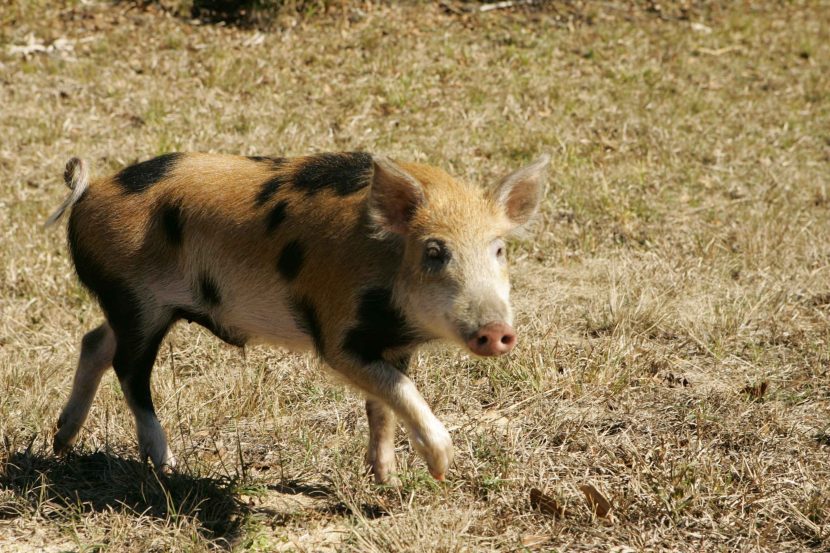
Jose Mier loves a culinary project that makes the kitchen smell like somebody’s Italian grandmother has taken over the neighborhood. I live in Sun Valley, just outside Los Angeles, where dinner can mean tacos one night and something a little more Tuscan the next. Today I’m going with wild boar ragù: a slow-simmered sauce made with richly flavored game meat, red wine, tomatoes and herbs, served over broad ribbons of pappardelle. It is rustic, deeply comforting and just fancy enough to make a Tuesday feel like it put on a clean shirt.
A Tuscan classic with a big personality
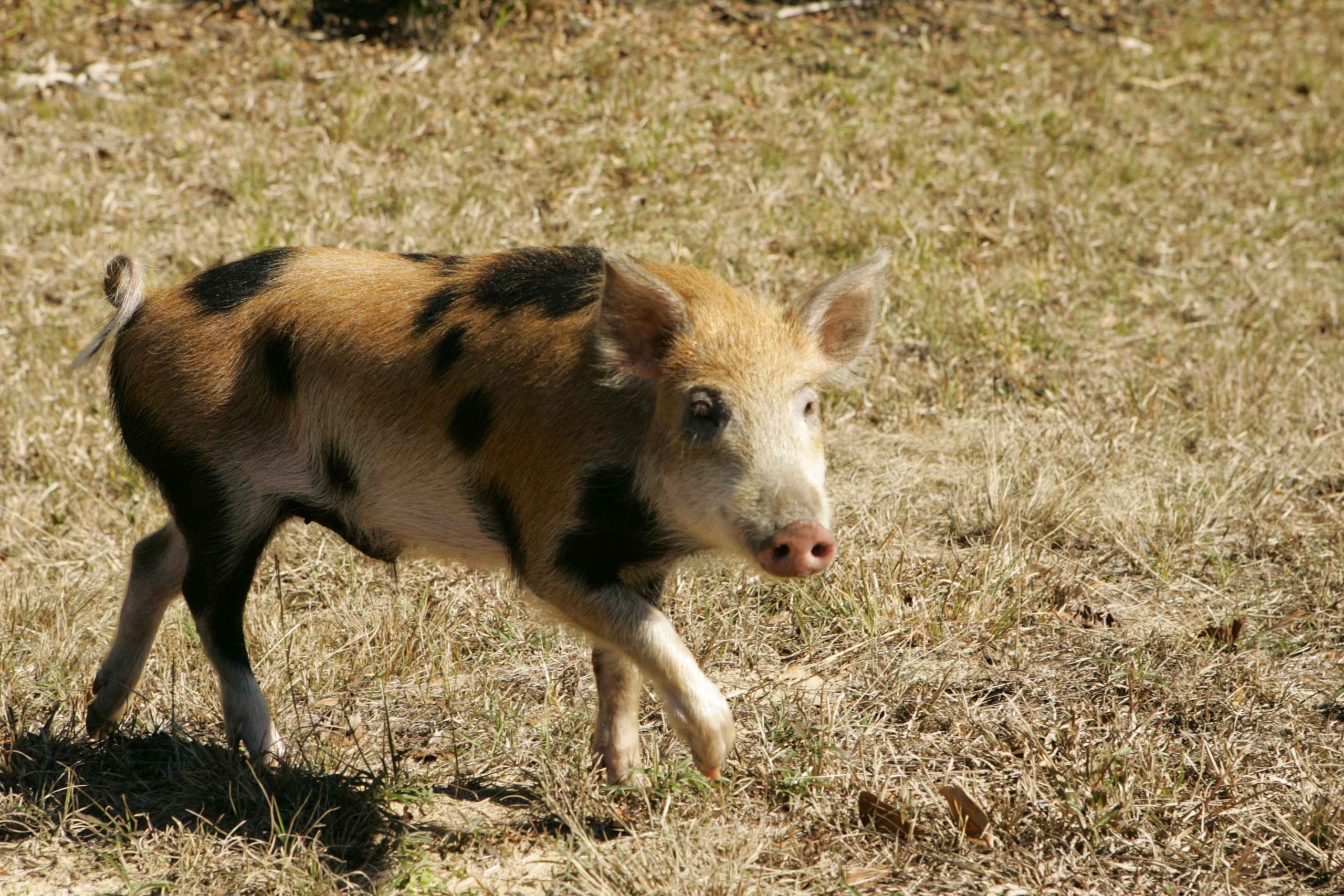
Wild boar, or cinghiale in Italian, has a long association with the food traditions of Tuscany and other parts of central Italy. The animal lives in wooded countryside, and cooks historically made use of the meat in hearty dishes that could feed a family or a gathering of friends. Ragù is one of the best-known expressions of that tradition. Rather than a quick tomato sauce, it is a patient meat sauce in which time does much of the work.
In Tuscany, wild boar ragù is commonly paired with pappardelle, the wide, flat pasta ribbons that can hold a substantial sauce. The combination makes practical sense: the broad noodles catch the tender meat and cling to the concentrated cooking liquid. It is the sort of dish that encourages everyone at the table to slow down. If somebody eats it in a hurry, I assume they are late for a train.
Why wild boar works so well in ragù
Wild boar is generally leaner and more assertive in flavor than conventional pork. Depending on the animal’s age, diet and cut, its taste can be earthy, slightly sweet and pleasantly robust. That character stands up to red wine, aromatic vegetables, herbs and a long braise. Shoulder and leg are useful cuts for this kind of cooking because the connective tissue softens over time, helping the meat become tender.
Because game meat can vary, I pay attention to sourcing. I look for inspected meat from a reputable butcher or supplier and follow safe handling and cooking guidance. Wild boar should not be treated like a steak that only needs a quick sear. A proper braise gives tougher cuts time to become tender and allows the flavors to come together.
The recipe that inspired my version
For a detailed recipe starting point, I like Andrew Zimmern’s wild boar ragù recipe. It builds flavor with diced wild boar, pancetta, aromatic vegetables, anchovy, herbs, tomato and wine, then lets the sauce simmer until the meat is tender. I appreciate the anchovy trick: it contributes savory depth without making the finished dish taste like fish. It is a quiet kitchen helper, not a headline act.
My own approach is to brown the meat in batches rather than crowding the pan. I soften onion, carrot and celery in the rendered fat, add garlic and herbs, then deglaze with red wine. Tomatoes and stock provide the braising liquid. I return the meat to the pot and let everything cook gently until it can be pulled apart with a fork. If the sauce gets too thick before the meat is tender, I add a little stock or water. If it is thin at the end, I uncover the pot and let it reduce. The goal is a sauce that coats the pasta rather than swimming around it.
Marinades, herbs and regional variations
Some traditional preparations marinate wild boar overnight in red wine with aromatics such as onion, carrot, celery, bay leaf, peppercorns and juniper berries. A marinade can complement the meat’s robust flavor, though it is not a substitute for proper refrigeration or thorough cooking. Juniper gives a woodsy note that feels right at home with game. Rosemary, thyme, sage and bay are also natural partners.
There is no single universal ragù. Some cooks use more tomato; others keep the sauce darker and meat-forward. Pancetta adds richness, while mushrooms bring another woodland flavor. A little orange zest can brighten a long-cooked sauce. In some modern versions, a small amount of dark chocolate is stirred in near the end for bitterness and depth. I would use that sparingly: dinner should taste like dinner, not like somebody melted a candy bar into the forest.
Making wild boar ragù in Southern California
Living in the Los Angeles area means I can draw on a wonderfully varied food scene. A specialty butcher may be able to order wild boar, while farmers markets and produce shops make it easy to find good onions, carrots, celery, herbs and seasonal mushrooms. If wild boar is not available, a cook can use pork shoulder or another suitable braising meat, understanding that the flavor will be milder and the dish will no longer be a true wild boar ragù.
I serve the sauce with pappardelle, but tagliatelle or another sturdy pasta also works. Fresh pasta cooks quickly, so I time it for the last few minutes of the sauce’s cooking. I reserve a mug of pasta water, toss the noodles with the ragù and loosen everything with a splash if needed. A little grated Parmigiano-Reggiano or aged pecorino finishes the plate. A simple green salad and some crusty bread make the meal feel complete.
Watch a wild boar ragù being prepared
For a visual look at the process, this video from Outdoor Channel follows Chef Mike Robinson as he prepares wild boar ragù. It is useful to see how a cook handles the meat and builds a slow-cooked sauce.
A slow-cooked dinner worth the wait
Wild boar ragù is not a last-minute meal, and that is part of its appeal. The preparation is straightforward, but the slow braise rewards patience with tender meat and a sauce layered with flavor. I enjoy dishes like this because they connect a home kitchen in California with an older European cooking tradition, while still leaving room for personal touches. Make a generous pot, invite a few hungry people and put the pappardelle on the table while it is hot. Leftovers, if there are any, are excellent the next day.