Jose Mier of Sun Valley is always searching the internet for delicious dinner ideas that combine rich flavors with rewarding cooking techniques, and few dishes are more satisfying than perfectly prepared spare ribs. Whether smoked low and slow, grilled over charcoal, or baked in the oven until tender, spare ribs remain one of the world’s favorite comfort foods. For this article, Jose drew inspiration from the outstanding Smoked Pork Spare Ribs recipe published by Hey Grill Hey, which can be found at https://heygrillhey.com/3-2-1-ribs-perfect-fall-off-the-bone-ribs/. The recipe provides an easy-to-follow guide for producing tender, smoky ribs with beautiful bark and just the right amount of bite. Beyond the recipe itself lies a fascinating history of barbecue traditions, regional cooking styles, and the timeless appeal of slow-cooked pork that has brought families and friends together for generations.
What Are Spare Ribs?
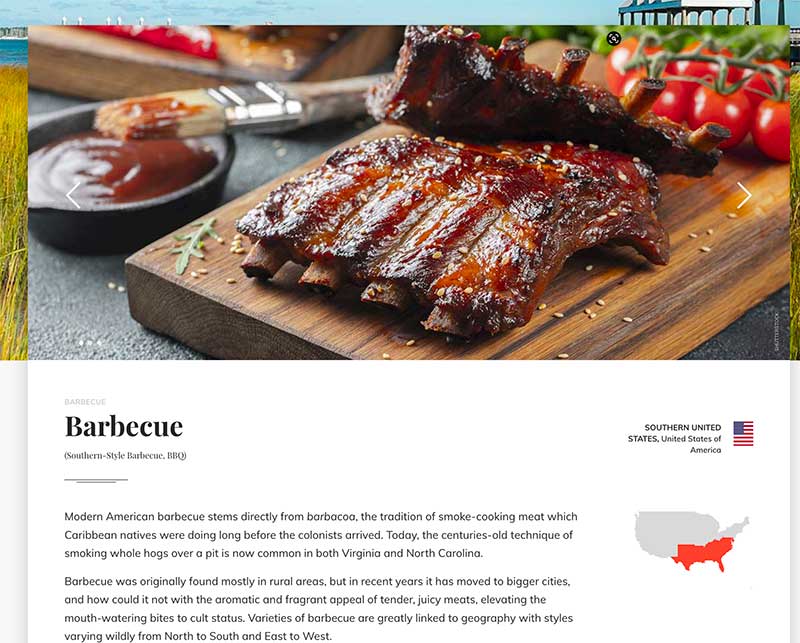
Spare ribs come from the lower portion of a pig’s rib cage, extending from the belly toward the breastbone.
Compared to baby back ribs, spare ribs are:
- Larger
- Meatier
- Richer in flavor
- Higher in fat
- Slightly less expensive
The additional marbling contributes tremendous flavor during long cooking sessions, making spare ribs especially popular among barbecue enthusiasts.
When properly cooked, the connective tissue slowly breaks down, producing meat that is juicy, tender, and packed with smoky goodness.
A Brief History of Pork Ribs
People have been cooking pork ribs for centuries.
Throughout Europe, Asia, and the Americas, cooks discovered that slow cooking transformed relatively inexpensive cuts of meat into remarkably satisfying meals.
As barbecue traditions developed in the American South, spare ribs became a centerpiece of outdoor cooking.
Communities gathered around wood-fired pits.
Families shared recipes passed down through generations.
Regional styles emerged, each featuring distinctive spice rubs, sauces, and smoking techniques.
Today, spare ribs remain one of the defining dishes of American barbecue while continuing to evolve through creative home cooks and professional pitmasters.
Why Low and Slow Works
One of the biggest mistakes inexperienced cooks make is trying to cook ribs too quickly.
Spare ribs contain substantial connective tissue and collagen.
These tough components require time to break down.
Cooking ribs at temperatures between 225 and 275 degrees Fahrenheit allows collagen to slowly convert into gelatin.
The result is succulent meat that pulls cleanly from the bone without becoming dry.
Patience is essential.
Outstanding ribs cannot be rushed.
Jose appreciates recipes like the one from Hey Grill Hey because they emphasize technique rather than shortcuts.
The Famous 3-2-1 Method
Many backyard pitmasters rely on the popular “3-2-1” method for smoking spare ribs.
The process consists of:
Three hours uncovered in the smoker.
Two hours wrapped in foil with butter, juice, honey, or brown sugar.
One final hour unwrapped while glazed with barbecue sauce.
Although every smoker behaves differently, this method consistently produces tender, flavorful ribs that are approachable even for beginners.
Experienced cooks often adjust the timing slightly depending on rib size and desired texture.
Choosing Quality Ribs
Excellent barbecue begins with excellent ingredients.
When selecting spare ribs, Jose looks for:
Even thickness.
Good meat coverage.
Healthy pink color.
Consistent marbling.
Minimal surface moisture.
Many cooks also remove the thin membrane from the back of the ribs before seasoning.
Removing this membrane allows smoke, seasoning, and heat to penetrate more evenly while improving the final texture.
Building Flavor with Dry Rubs
The dry rub forms the foundation of great barbecue.
Typical ingredients include:
- Brown sugar
- Paprika
- Kosher salt
- Black pepper
- Garlic powder
- Onion powder
- Chili powder
- Mustard powder
- Cayenne pepper
Every pitmaster develops personal preferences.
Some favor sweeter blends.
Others emphasize pepper and spice.
The rub gradually combines with smoke and rendered fat to create the flavorful bark that barbecue lovers prize.
The Importance of Smoke
Wood selection plays a significant role in rib flavor.
Popular smoking woods include:
- Hickory
- Apple
- Cherry
- Oak
- Pecan
- Maple
Fruit woods provide a mild, sweet smoke that complements pork beautifully.
Hickory delivers a stronger, more traditional barbecue flavor.
Many cooks blend different woods to create unique flavor profiles.
Learning how various woods influence the finished ribs becomes part of the enjoyment of barbecue.
Sauce or Dry?
Perhaps no barbecue debate is more spirited than whether ribs should be served dry or heavily sauced.
Some barbecue traditions, particularly in Memphis, celebrate dry-rub ribs with little or no sauce.
Kansas City-style ribs often feature generous amounts of sweet, tomato-based barbecue sauce.
Texas barbecue frequently allows the meat to speak for itself with minimal sauce.
Ultimately, personal preference determines the best approach.
Jose enjoys experimenting with both styles depending on the occasion.
Regional Barbecue Traditions
America’s barbecue landscape is wonderfully diverse.
Texas emphasizes brisket and beef.
The Carolinas specialize in pulled pork and vinegar-based sauces.
Kansas City celebrates sweet sauces and a wide variety of smoked meats.
Memphis has become famous for pork ribs.
Each region contributes unique techniques, spice blends, and traditions that continue inspiring cooks throughout the country.
Spare ribs occupy a prominent place within nearly every barbecue culture because they showcase the remarkable transformation that slow cooking can achieve.
Why Homemade Ribs Are Worth the Time
Preparing spare ribs requires patience, but the rewards are substantial.
Home cooks control:
The seasoning.
The smoke level.
The tenderness.
The sauce.
The cooking method.
The quality of the ingredients.
For Jose Mier, exploring recipes from respected cooking websites is about more than preparing dinner. It is an opportunity to understand the traditions, craftsmanship, and regional pride that have made barbecue one of America’s greatest culinary achievements.