Jose Mier of Sun Valley is always searching the internet for exciting dinner ideas, and few categories of recipes offer as much variety and flavor as curry. Whether it is a rich Indian butter chicken, a fragrant Thai coconut curry, or a hearty Japanese curry served over rice, curry has become one of the world’s most beloved comfort foods. For this article, Jose drew inspiration from the excellent Chicken Curry recipe published by RecipeTin Eats, which can be found at https://www.recipetineats.com/chicken-curry/. The recipe provides a straightforward approach to preparing an authentic, deeply flavorful curry at home using everyday ingredients while preserving the rich aroma and complexity that have made curry famous across the globe. Beyond the recipe itself lies a fascinating culinary history that spans centuries, countless cultures, and an almost endless number of regional variations.
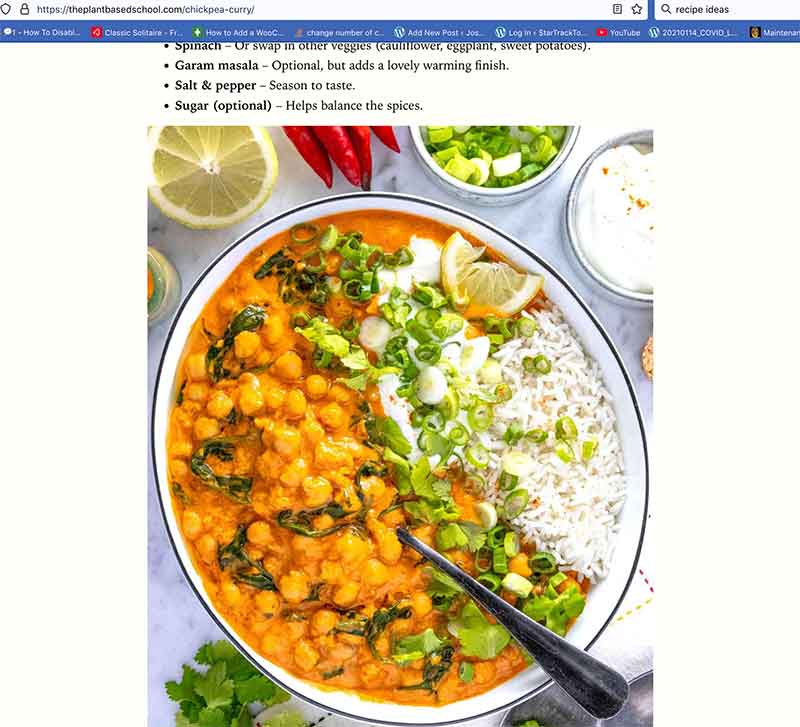
What Is Curry?
The word “curry” means different things in different parts of the world.
In Western countries, curry often refers to almost any dish prepared with a flavorful sauce seasoned with spices.
In India, however, there is no single dish simply called “curry.”
Instead, there are hundreds of regional recipes featuring unique combinations of spices, vegetables, meats, legumes, and cooking techniques.
Some curries are thick.
Others are brothy.
Some are mild and creamy.
Others are intensely spicy.
The remarkable diversity of curry is one of the reasons it continues to captivate home cooks and professional chefs alike.
The Long History of Curry
The origins of curry stretch back thousands of years.
Archaeological evidence suggests that spice-based cooking existed on the Indian subcontinent more than 4,000 years ago.
As civilizations developed, cooks combined local herbs and spices into increasingly sophisticated dishes.
Trade routes helped spread ingredients throughout Asia, the Middle East, Europe, and eventually the rest of the world.
Portuguese, British, Dutch, and other European traders encountered these remarkable flavors and introduced variations of curry to their own countries.
Today, curry is enjoyed on nearly every continent and continues evolving as cultures adapt recipes to local tastes and ingredients.
Understanding Curry Powder
One common misconception is that curry powder is a single traditional spice.
In reality, curry powder is a blend developed primarily for Western kitchens.
Typical ingredients include:
- Turmeric
- Coriander
- Cumin
- Fenugreek
- Black pepper
- Mustard seed
- Ginger
- Cinnamon
- Cardamom
- Chili powder
Different manufacturers produce different blends, resulting in noticeable flavor differences.
Many traditional Indian cooks prefer using individual spices rather than pre-mixed curry powder, allowing complete control over each recipe.
RecipeTin Eats demonstrates how carefully balanced spices can produce extraordinary flavor without unnecessary complexity.
Chicken Curry: A Universal Favorite
Among countless curry variations, chicken curry remains one of the most popular.
Chicken absorbs aromatic spices beautifully while remaining tender during simmering.
The RecipeTin Eats version combines onions, garlic, ginger, tomatoes, spices, and yogurt to create a rich sauce that develops remarkable depth during cooking.
Served over steamed rice with warm naan bread, chicken curry becomes a complete and satisfying meal suitable for both weeknight dinners and special occasions.
Jose appreciates recipes that balance authentic flavors with practical preparation methods for home kitchens.
The Importance of Fresh Spices
One lesson experienced curry cooks quickly learn is the importance of fresh spices.
Ground spices gradually lose their aroma over time.
Purchasing high-quality spices and storing them properly dramatically improves finished dishes.
Whole spices often retain flavor even longer.
Many traditional recipes begin by gently toasting whole spices before grinding them, releasing fragrant oils that enhance the final curry.
Although this extra step requires only a few minutes, it significantly elevates the finished dish.
Aromatics Build the Foundation
Nearly every outstanding curry begins with aromatics.
These usually include:
- Onion
- Garlic
- Fresh ginger
Slowly cooking these ingredients creates a flavorful base before additional spices are introduced.
Many cooks refer to this stage as building layers of flavor.
Rather than rushing through preparation, allowing onions to soften and caramelize naturally creates sweetness that balances the bold spices added later.
Patience during this early stage rewards the cook throughout the entire recipe.
Regional Styles of Curry
One of the most fascinating aspects of curry is its incredible diversity.
Northern Indian curries often feature dairy ingredients such as yogurt, cream, or butter, producing rich, luxurious sauces.
Southern Indian curries frequently include coconut milk, curry leaves, tamarind, and seafood.
Thai curries rely heavily on fresh herbs such as lemongrass, galangal, kaffir lime leaves, and basil.
Japanese curry tends to be thicker, sweeter, and milder, often served over rice with breaded pork or beef.
Caribbean curries incorporate local peppers, tropical ingredients, and unique spice blends influenced by Indian immigrants.
Each tradition contributes something distinctive to the worldwide appreciation of curry.
Choosing the Right Protein
While chicken remains extremely popular, curry works beautifully with many proteins.
Common choices include:
- Beef
- Lamb
- Shrimp
- Fish
- Pork
- Goat
- Duck
Vegetarian versions frequently substitute:
- Chickpeas
- Lentils
- Potatoes
- Cauliflower
- Eggplant
- Spinach
- Paneer cheese
This versatility makes curry suitable for virtually every dietary preference.
Jose enjoys experimenting with different proteins while maintaining the same aromatic spice foundation.
Rice and Bread: Essential Companions
Few foods complement curry better than rice.
Steamed basmati rice remains the traditional favorite because its long grains and delicate aroma pair beautifully with richly seasoned sauces.
Jasmine rice also works well, particularly alongside Thai curries.
Fresh naan bread offers another excellent accompaniment.
Its soft texture allows diners to scoop up every last bit of sauce.
Other traditional breads include roti, paratha, and chapati, each contributing unique texture and flavor to the meal.
Why Curry Continues to Grow in Popularity
The worldwide popularity of curry continues expanding for several reasons.
It is highly customizable.
It accommodates countless ingredients.
It reheats exceptionally well.
It introduces cooks to exciting spice combinations.
Perhaps most importantly, curry transforms simple ingredients into deeply satisfying meals filled with warmth and complexity.
For Jose Mier, discovering recipes like the one from RecipeTin Eats provides both an excellent dinner idea and an opportunity to appreciate one of the world’s richest culinary traditions.