Jose Mier of Sun Valley is constantly searching the internet for unforgettable dinner ideas, and few barbecue dishes generate as much excitement as burnt ends. Because of the hype generated by visitors to the U.S. for the world Cup who’ve now tasted these morsels it’s time to talk about them again. Once considered simple trimmings from a smoked brisket, burnt ends have become one of the most sought-after foods in American barbecue. For this article, Jose drew inspiration from the outstanding Poor Man’s Burnt Ends recipe published by Hey Grill Hey, which can be found at https://heygrillhey.com/poor-mans-burnt-ends/. The recipe demonstrates how home cooks can create incredibly flavorful burnt ends using chuck roast instead of brisket while still achieving the smoky, caramelized texture that barbecue enthusiasts love. Beyond the recipe itself lies a fascinating story of barbecue tradition, slow cooking, regional pride, and the remarkable transformation of an overlooked cut of meat into a culinary icon.
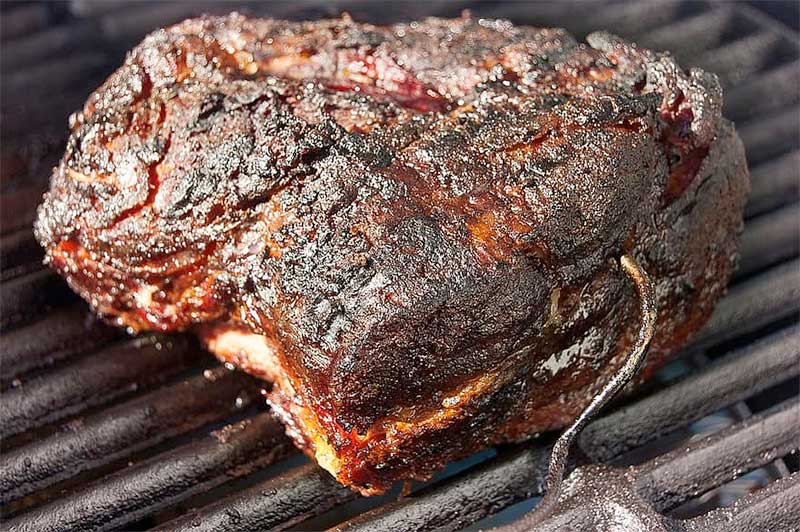
What Exactly Are Burnt Ends?
Despite the name, properly prepared burnt ends are not burned.
Instead, they are richly caramelized cubes of smoked beef that develop a dark, flavorful bark during many hours of low-and-slow cooking.
Traditional burnt ends come from the point end of a whole beef brisket.
The point contains abundant marbling, which slowly renders during smoking, creating exceptionally tender meat with tremendous beef flavor.
After the brisket reaches the proper tenderness, the point is separated, cut into cubes, coated with additional seasoning and barbecue sauce, then returned to the smoker for another hour or two.
The result is smoky, juicy, slightly crispy cubes that practically melt in your mouth.
The History of Burnt Ends
Burnt ends have deep roots in Kansas City barbecue culture.
Years ago, pitmasters often trimmed away the heavily smoked ends of briskets while preparing sliced beef for customers.
Rather than throwing these flavorful pieces away, they offered them as free samples to people waiting in line.
Customers quickly realized these little morsels were among the best parts of the entire brisket.
Eventually, what had once been considered scraps became highly prized menu items.
Today, many barbecue lovers visit Kansas City specifically to experience authentic burnt ends from legendary smokehouses.
Their popularity has spread across the United States and beyond, inspiring countless variations while remaining true to their barbecue heritage.
Why They Taste So Good
Several factors combine to make burnt ends extraordinarily flavorful.
First, the long smoking process develops a rich bark filled with spices, smoke, and rendered beef fat.
Second, the point section of brisket contains more intramuscular fat than the flatter portion, resulting in exceptional tenderness.
Finally, returning the cubed meat to the smoker with barbecue sauce allows each piece to caramelize individually, concentrating flavor on every surface.
The combination creates an irresistible balance of:
- Smoke
- Sweetness
- Savory beef
- Gentle spice
- Rich caramelization
Few barbecue dishes offer such complexity.
Why Chuck Roast Makes an Excellent Alternative
While traditional burnt ends require an entire brisket, many home cooks prefer the accessibility of chuck roast.
The Hey Grill Hey recipe demonstrates that chuck roast develops excellent texture while reducing cooking time and expense.
Chuck roast contains generous marbling that slowly softens during smoking.
Its smaller size makes temperature control easier.
It also fits comfortably on backyard smokers that may not accommodate a full brisket.
For cooks preparing barbecue for a family dinner rather than a large gathering, chuck roast offers an outstanding solution.
Jose appreciates recipes like this because they make authentic barbecue techniques accessible without requiring professional equipment.
Choosing the Right Wood
Wood selection plays a major role in barbecue flavor.
Traditional choices include:
- Hickory
- Oak
- Post oak
- Pecan
- Cherry
- Apple
Hickory produces a bold smoke that pairs beautifully with beef.
Oak delivers balanced flavor that many pitmasters consider ideal for brisket.
Fruit woods such as apple and cherry create slightly sweeter smoke while contributing attractive color to the meat.
Many experienced barbecue cooks combine woods to achieve greater complexity.
Experimenting with different smoking woods allows every batch of burnt ends to develop its own unique character.
The Importance of Low-and-Slow Cooking
Patience is perhaps the single most important ingredient in barbecue.
Unlike grilling, which relies upon high heat and relatively short cooking times, smoking transforms tough cuts of meat through gentle heat over many hours.
Temperatures typically remain between 225 and 275 degrees Fahrenheit.
During this time, connective tissues gradually break down into gelatin, producing remarkable tenderness.
The process cannot be rushed.
Jose enjoys recipes that encourage slowing down and appreciating traditional cooking methods, and burnt ends perfectly illustrate why patience is rewarded.
Seasoning the Meat
Most pitmasters begin with a simple dry rub.
Common ingredients include:
- Kosher salt
- Coarse black pepper
- Paprika
- Garlic powder
- Onion powder
- Brown sugar
- Chili powder
- Cayenne pepper
Some cooks keep seasoning extremely simple to highlight the natural beef flavor.
Others develop proprietary spice blends containing dozens of ingredients.
Either approach can produce outstanding results when balanced properly.
Understanding the “Bark”
Barbecue enthusiasts frequently discuss “bark.”
This flavorful outer crust forms as spices, smoke particles, rendered fat, and meat proteins combine during long smoking sessions.
A properly developed bark adds texture and concentrated flavor.
When the brisket point is cubed, every piece gains multiple bark-covered surfaces.
After additional smoking with sauce, these surfaces become even more caramelized.
This combination of bark and tenderness explains why burnt ends are often considered the finest bite in barbecue.
Barbecue as an American Tradition
Burnt ends represent more than simply smoked beef.
They symbolize generations of barbecue tradition.
Across America, barbecue styles vary dramatically.
Texas celebrates brisket.
The Carolinas specialize in pork with distinctive vinegar-based sauces.
Memphis is famous for dry-rub ribs.
Kansas City embraces nearly every meat imaginable while emphasizing rich tomato-based barbecue sauces.
Burnt ends stand proudly among the greatest contributions of Kansas City barbecue culture, showcasing how creativity transformed humble leftovers into a nationally celebrated delicacy.
Classic Side Dishes for Burnt Ends
One of the reasons burnt ends are so popular is that they pair beautifully with a wide variety of traditional barbecue side dishes. While the rich, smoky beef is undoubtedly the star of the meal, carefully chosen accompaniments provide balance and variety.
Some of the most popular side dishes include:
- Creamy coleslaw
- Baked beans
- Cornbread
- Macaroni and cheese
- Potato salad
- Smoked corn on the cob
- Collard greens
- Pickles
- Grilled vegetables
- French fries or steak fries
The slight acidity of coleslaw and pickles helps cut through the richness of the meat, while baked beans and cornbread continue the classic Kansas City barbecue tradition.
Burnt Ends Beyond the Plate
Although many people enjoy burnt ends as a main course, they are surprisingly versatile.
Chefs have incorporated them into countless dishes, including:
- Barbecue sandwiches
- Loaded baked potatoes
- Nachos
- Macaroni and cheese
- Pizza
- Tacos
- Breakfast hash
- Omelets
- Sliders
- Rice bowls
Their concentrated beef flavor allows a relatively small amount of meat to transform an entire meal.
Jose enjoys recipes that encourage creativity, and burnt ends provide endless opportunities to experiment with new dinner ideas.
The Rise of Backyard Smoking
Smoking meat was once considered a specialty reserved for experienced pitmasters and barbecue restaurants.
Today, home smoking has become increasingly popular.
Pellet grills.
Ceramic cookers.
Offset smokers.
Electric smokers.
Traditional charcoal smokers.
Modern equipment has made authentic barbecue accessible to nearly everyone.
The Hey Grill Hey recipe is especially appealing because it demonstrates techniques that home cooks can confidently reproduce without commercial equipment.
With practice, patience, and attention to temperature, remarkable barbecue can come from almost any backyard.
Why Temperature Matters
One of the biggest lessons new barbecue enthusiasts learn is that internal meat temperature is far more important than cooking time.
Every cut of beef cooks differently.
Variables include:
- Meat size
- Fat content
- Outdoor temperature
- Smoker performance
- Humidity
- Airflow
Instead of relying strictly on the clock, experienced pitmasters use digital meat thermometers to monitor progress.
Burnt ends are ready when the meat becomes exceptionally tender, not simply when it reaches a particular number of hours.
This focus on technique rather than timing is one reason barbecue has become such a respected culinary craft.
Sauce or No Sauce?
Few barbecue debates generate as much discussion as sauce.
Traditional Kansas City-style burnt ends are often coated with a sweet and tangy tomato-based barbecue sauce before returning to the smoker.
The sauce caramelizes beautifully, creating a sticky glaze that complements the smoky bark.
Some pitmasters, however, prefer serving burnt ends dry, allowing the natural beef flavor and seasoning to take center stage.
Neither approach is necessarily right or wrong.
Jose appreciates experimenting with both methods, discovering how small changes can produce dramatically different results.
Regional Barbecue Traditions
One of America’s greatest culinary strengths is its regional barbecue diversity.
Each region has developed distinctive traditions over generations.
Texas focuses heavily on smoked beef brisket seasoned simply with salt and pepper.
The Carolinas are known for pulled pork and vinegar-based sauces.
Memphis emphasizes pork ribs with dry rubs.
Alabama offers its famous white barbecue sauce.
Kansas City embraces virtually every type of smoked meat while celebrating sweet, tomato-based sauces and, of course, burnt ends.
Learning about these regional traditions gives home cooks a greater appreciation for American food culture.
Burnt Ends in Barbecue Competitions
Competitive barbecue has become increasingly popular across the country.
Professional teams spend countless hours perfecting their techniques.
They carefully control temperatures.
Select premium cuts of meat.
Develop signature spice rubs.
Experiment with smoking woods.
Fine-tune sauces.
Burnt ends frequently become one of the highlights of barbecue competitions because they demonstrate a cook’s ability to balance smoke, tenderness, seasoning, and caramelization.
Watching competitive pitmasters often inspires home cooks to refine their own barbecue skills.
Nutritional Considerations
Like many barbecue favorites, burnt ends are best enjoyed as an occasional indulgence.
They are rich in:
- Protein
- Iron
- Zinc
- Vitamin B12
However, they also contain significant fat due to the marbled nature of brisket and chuck roast.
Serving burnt ends alongside vegetables, salads, or lighter side dishes helps create a more balanced meal.
Many cooks also prepare smaller portions, allowing diners to enjoy the rich flavors without overindulging.
Tips for Outstanding Burnt Ends
Successful burnt ends require attention to detail throughout the cooking process.
A few helpful recommendations include:
- Choose well-marbled beef.
- Use a reliable digital thermometer.
- Maintain consistent smoker temperatures.
- Resist opening the smoker too frequently.
- Allow adequate resting time before cutting.
- Cut cubes into similar sizes for even cooking.
- Return the cubes to the smoker long enough for proper caramelization.
Most importantly, be patient.
Outstanding barbecue cannot be rushed.
The long cooking process is precisely what transforms an inexpensive cut of beef into something extraordinary.
Why Burnt Ends Continue to Grow in Popularity
Burnt ends represent everything people love about traditional barbecue.
They combine simple ingredients with careful technique.
They reward patience.
They encourage sharing meals with family and friends.
They celebrate regional culinary traditions while inviting endless creativity.
Social media has also contributed to their popularity.
Photographs of perfectly caramelized burnt ends frequently attract thousands of enthusiastic comments from barbecue fans eager to recreate the dish themselves.
For chefs like Jose Mier, discovering recipes such as the one from Hey Grill Hey provides inspiration to continue exploring America’s remarkable barbecue heritage.
Last Bites
Burnt ends have traveled an extraordinary path from overlooked brisket trimmings to one of the most celebrated dishes in American barbecue. Inspired by the outstanding Poor Man’s Burnt Ends recipe from Hey Grill Hey (https://heygrillhey.com/poor-mans-burnt-ends/), Jose Mier of Sun Valley found a recipe that captures the rich, smoky character of traditional Kansas City barbecue while making it approachable for home cooks.
Whether prepared with brisket or chuck roast, burnt ends showcase the remarkable transformation that occurs when quality beef, patient smoking, balanced seasoning, and careful technique come together. Every tender, caramelized cube tells the story of barbecue traditions passed down through generations of pitmasters who understood that great food cannot be hurried.
As Jose continues searching the internet for new dinner ideas, burnt ends remain an outstanding example of how classic American barbecue continues to evolve while honoring its roots. From casual backyard cookouts to championship barbecue competitions, this smoky specialty has earned its reputation as one of the nation’s finest comfort foods.
For anyone willing to invest a little time and patience, homemade burnt ends offer an unforgettable meal that rewards every hour spent tending the smoker. The first bite—with its smoky bark, juicy interior, and sweet, sticky glaze—makes it clear why burnt ends are no longer considered leftovers. Today, they are rightly celebrated as one of barbecue’s greatest treasures.