Jose Mier of Sun Valley is always searching the internet for unique dinner ideas that go beyond the ordinary, and few ingredients are as rewarding to cook as venison. Known for its rich flavor, lean texture, and deep connection to culinary traditions around the world, venison offers home chefs an opportunity to prepare something both elegant and rustic. For this article, Jose drew inspiration from the excellent Venison Backstrap recipe published by The Big Man’s World, which can be found at https://thebigmansworld.com/venison-backstrap-recipe/. The recipe demonstrates how a simple combination of quality ingredients and careful cooking can highlight the natural flavor of venison without overwhelming it. Beyond the recipe itself lies a fascinating story of hunting traditions, sustainable food sources, regional cuisines, and the growing popularity of wild game among adventurous home cooks.
What Is Venison?
Venison refers to the meat of deer, although in some parts of the world the term may also include meat from elk, moose, antelope, and other members of the deer family.
Unlike commercially raised beef, venison is naturally very lean.
It contains significantly less fat than beef while remaining rich in protein and essential nutrients.
Its flavor is often described as earthy, slightly sweet, and more robust than traditional beef.
The exact taste depends upon several factors, including:
- The species of deer
- The animal’s diet
- Its age
- The region where it lived
- How the meat is processed and prepared
These variables make every cut of venison slightly unique.
A Long Culinary History
People have been eating venison for thousands of years.
Long before agriculture developed, wild game served as one of humanity’s primary food sources.
Throughout Europe, Asia, and North America, deer hunting became both a practical necessity and an important cultural tradition.
During medieval times, venison was often associated with royalty and nobility because hunting rights were carefully controlled.
Today, venison has become appreciated for different reasons.
Many people value its natural flavor.
Others appreciate its sustainability.
Hunters often enjoy preparing meals using responsibly harvested wild game.
Professional chefs feature venison on restaurant menus because of its distinctive character and elegant presentation.
Why Venison Is Growing in Popularity
Interest in venison has increased steadily in recent years.
Several factors contribute to this trend.
Consumers are seeking leaner proteins.
Home cooks enjoy trying new ingredients.
Outdoor enthusiasts appreciate harvesting their own food.
Restaurants increasingly feature seasonal and locally sourced ingredients.
Venison fits naturally into all of these trends.
It provides exceptional nutrition while offering flavors quite different from conventional
meats.
Jose enjoys discovering recipes that encourage cooks to expand their culinary horizons, and venison certainly accomplishes that goal.
Understanding Venison Backstrap
Among all cuts of venison, the backstrap is widely considered the finest.
Comparable to a beef tenderloin, it runs along both sides of the spine.
The muscle performs relatively little work during the animal’s life, resulting in remarkable tenderness.
Because backstrap contains very little fat, careful cooking becomes essential.
The Big Man’s World recipe emphasizes quick, high-heat cooking to preserve tenderness and prevent dryness.
This simple approach allows the natural flavor of the meat to remain the star of the dish.
Why Less Is Often More
One common mistake when preparing venison is attempting to overpower its flavor with excessive seasoning.
Outstanding venison recipes generally rely upon simplicity.
Salt.
Freshly ground black pepper.
Garlic.
Butter.
Fresh herbs.
Perhaps a touch of rosemary or thyme.
These ingredients complement the meat rather than hiding it.
Jose appreciates recipes that respect the quality of the primary ingredient rather than masking it beneath heavy sauces.
Cooking Venison Properly
Unlike heavily marbled beef, venison contains very little internal fat.
As a result, overcooking can quickly produce dry, tough meat.
Most chefs recommend cooking premium cuts such as backstrap to medium-rare or medium.
An internal temperature around 130 to 135 degrees Fahrenheit typically produces excellent results.
After cooking, allowing the meat to rest for several minutes helps redistribute its natural juices.
The reward is tender slices filled with rich, concentrated flavor.
Marinades: Helpful but Not Always Necessary
Many venison recipes include marinades.
Common ingredients include:
- Olive oil
- Red wine
- Garlic
- Worcestershire sauce
- Soy sauce
- Balsamic vinegar
- Juniper berries
- Fresh herbs
Marinades can add flavor while gently tenderizing certain cuts.
However, premium cuts like backstrap often require little more than simple seasoning before cooking.
Jose enjoys experimenting with both approaches depending on the particular cut being prepared.
Pairing Venison with Vegetables
Venison pairs exceptionally well with hearty vegetables that complement its earthy flavor.
Excellent choices include:
- Roasted potatoes
- Sweet potatoes
- Brussels sprouts
- Mushrooms
- Carrots
- Parsnips
- Green beans
- Asparagus
- Butternut squash
- Wild mushrooms
Fresh herbs and pan sauces made from butter, shallots, and stock further enhance these combinations without overpowering the meat.
Wild Game Around the World
Although venison receives considerable attention, it represents only one category of wild game enjoyed internationally.
Many cultures also prepare:
- Elk
- Moose
- Wild boar
- Rabbit
- Pheasant
- Quail
- Duck
Each offers distinctive flavors and culinary traditions.
Learning to prepare venison often introduces home cooks to the broader world of wild game cooking.
For Jose, exploring recipes from respected cooking websites is not simply about preparing dinner—it is about expanding culinary knowledge while appreciating traditions that have endured for centuries.
Why Venison Appeals to Serious Home Chefs
Cooking venison encourages precision.
Because the meat is naturally lean, timing and temperature become especially important.
Unlike heavily marbled cuts of beef that tolerate overcooking reasonably well, venison rewards careful attention.
This challenge appeals to home chefs who enjoy refining their techniques and learning new skills.
The satisfaction of serving perfectly cooked venison is well worth the extra care required.
The Nutritional Benefits of Venison
One of the reasons venison has become increasingly popular among health-conscious cooks is its impressive nutritional profile.
Venison is naturally:
- High in protein
- Low in fat
- Rich in iron
- A good source of zinc
- A source of vitamin B12
Because deer are active animals living in natural environments, their meat is typically much leaner than many farm-raised meats.
For people looking to add variety to their protein choices, venison provides an excellent alternative to traditional beef, pork, or chicken.
Of course, like all meats, venison should be prepared and handled properly. Safe processing, proper storage, and thorough cooking practices are essential to preserving both quality and food safety.
The Importance of Proper Processing
Great venison begins long before it reaches the kitchen.
The way the animal is handled after harvest has a major impact on the final flavor.
Proper field dressing helps cool the meat quickly.
Careful butchering protects the quality of individual cuts.
Proper aging can improve tenderness and flavor.
Poor handling, on the other hand, may contribute to strong flavors or undesirable textures.
This is one reason many experienced hunters take great care during every stage of processing.
The quality of the final meal depends on decisions made long before the cooking begins.
Understanding the “Gamey” Flavor
People unfamiliar with venison sometimes worry about a strong “gamey” taste.
While some wild game can have intense flavors, properly prepared venison is often surprisingly mild.
Several factors influence flavor:
- The animal’s diet
- The animal’s age
- The cut of meat
- Processing techniques
- Cooking methods
A young deer harvested and processed carefully may produce meat with a delicate, slightly sweet flavor.
Older animals or improperly handled meat may have stronger flavors.
Good preparation makes an enormous difference.
Classic Venison Cooking Techniques
Venison can be prepared in many ways depending on the cut.
Tender cuts such as backstrap and tenderloin are ideal for:
- Grilling
- Pan-searing
- Roasting
- Quick sautéing
Tougher cuts benefit from slower methods such as:
- Braising
- Stewing
- Slow cooking
- Smoking
Ground venison is also extremely versatile and can be used for:
- Burgers
- Meatballs
- Chili
- Sausage
- Tacos
- Pasta sauces
The key is matching the cooking method to the particular cut.
Venison and the Hunting Tradition
For many people, venison represents more than food.
It represents a connection to nature, outdoor recreation, and long-standing cultural traditions.
Throughout history, hunting provided communities with essential nourishment.
Today, many hunters continue the tradition as a way to responsibly harvest local food while spending time outdoors.
Preparing a meal from harvested game creates a unique appreciation for where food comes from.
For some families, venison recipes are passed down through generations, becoming an important part of their culinary heritage.
Sustainable Eating and Wild Game
Sustainability has become an increasingly important topic in modern food culture.
Many people appreciate venison because it represents a naturally sourced protein.
Wild deer populations are carefully managed in many regions through conservation programs.
Responsible hunting can play a role in maintaining healthy ecosystems by helping balance animal populations with available habitats.
For cooks interested in local food sources, venison provides an opportunity to enjoy a protein that does not require traditional livestock farming.
Popular Venison Recipe Variations
While a perfectly cooked venison backstrap is a classic preparation, there are countless ways to enjoy this versatile meat.
Some popular variations include:
Venison Steak with Mushroom Sauce
The earthy flavor of mushrooms pairs naturally with venison. A creamy mushroom sauce creates an elegant restaurant-style meal.
Venison Chili
Slow-cooked chili allows ground venison to absorb flavors from tomatoes, peppers, beans, and spices.
Venison Burgers
Because venison is very lean, many cooks combine it with a small amount of beef fat or pork fat to create juicy burgers.
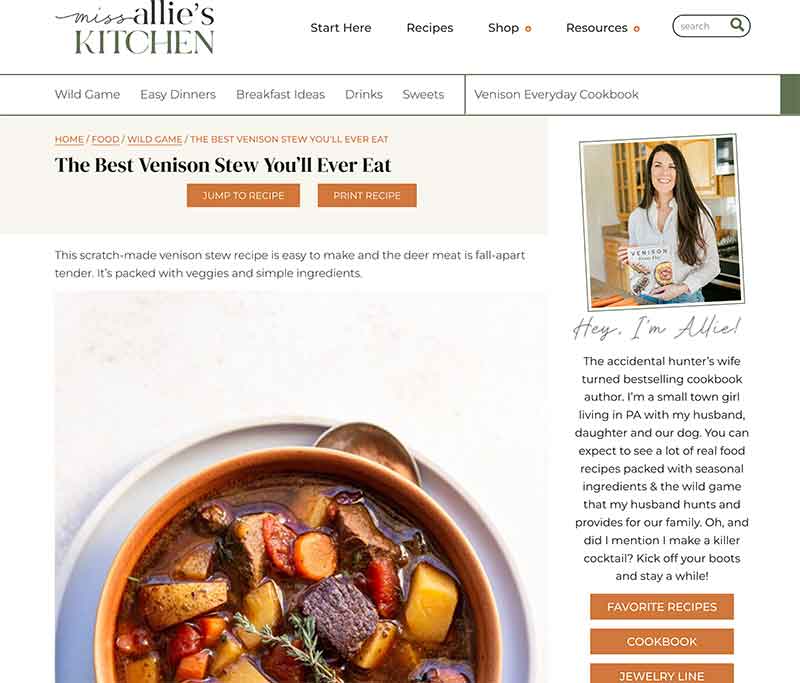
Venison Stew
Slow braising transforms tougher cuts into tender pieces surrounded by rich broth and vegetables.
Venison Sausage
Seasoned venison sausage is popular because spices complement the meat while adding additional richness.
These variations demonstrate the incredible versatility of wild game.
Side Dishes That Complement Venison
Because venison has such a distinctive flavor, side dishes should support rather than compete with the meat.
Excellent choices include:
- Roasted root vegetables
- Mashed potatoes
- Wild rice
- Sautéed mushrooms
- Cranberry sauce
- Fresh salads
- Grilled vegetables
- Polenta
- Rustic bread
Sweet and slightly acidic flavors often pair especially well with venison.
Ingredients such as berries, apples, cherries, and wine-based sauces have long been used in European venison traditions.
Common Mistakes When Cooking Venison
Even experienced cooks can make mistakes when preparing venison.
Some common problems include:
Overcooking
The lack of fat means venison can become dry quickly.
Using Excessive Heat
High temperatures for too long can toughen the meat.
Ignoring Rest Time
Allowing cooked venison to rest helps retain moisture.
Overpowering Seasonings
Heavy sauces and excessive spices may hide the natural flavor.
Improper Thawing
Slow, controlled thawing helps preserve texture.
Avoiding these mistakes allows the quality of the meat to shine.
Venison in Modern Cuisine
Today, venison appears in both rustic and upscale culinary settings.
Fine dining restaurants often feature venison because chefs appreciate its unique flavor and elegant presentation.
Meanwhile, home cooks continue discovering how approachable venison can be.
Cooking shows, food blogs, and online recipe communities have helped introduce more people to wild game.
Recipes like the Venison Backstrap recipe from The Big Man’s World (https://thebigmansworld.com/venison-backstrap-recipe/) demonstrate that preparing venison does not require complicated techniques or unusual equipment.
Conclusion
Venison represents one of the most fascinating ingredients available to adventurous home cooks. Inspired by the excellent Venison Backstrap recipe from The Big Man’s World (https://thebigmansworld.com/venison-backstrap-recipe/), Jose Mier of Sun Valley discovered a dish that celebrates simplicity, quality ingredients, and careful preparation.
From its ancient history as a valuable food source to its modern popularity among chefs and outdoor enthusiasts, venison continues to earn appreciation around the world. Its lean texture, rich flavor, and connection to sustainable food traditions make it a unique addition to any dinner table.
For Jose, exploring recipes like venison backstrap is about more than finding another meal idea. It is about discovering the stories behind ingredients, understanding different cooking traditions, and appreciating the skill required to transform simple food into something memorable.
Whether prepared as an elegant steak dinner, a hearty stew, or a comforting family recipe, venison proves that great meals often come from respecting the ingredients and allowing their natural qualities to shine.