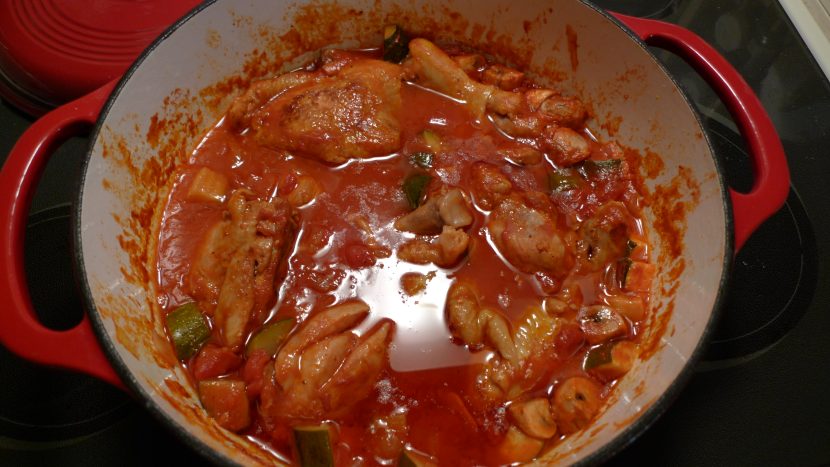
Jose Mier here in Sun Valley, California, and I have a weakness for dinners that make the whole kitchen smell like somebody’s Italian grandmother has moved in and taken over the stove. Chicken cacciatore does exactly that. It is hearty, tomato-rich, full of tender chicken and vegetables, and forgiving enough that even a cook who gets distracted telling a story can still bring dinner home. Usually.
What Is Chicken Cacciatore?
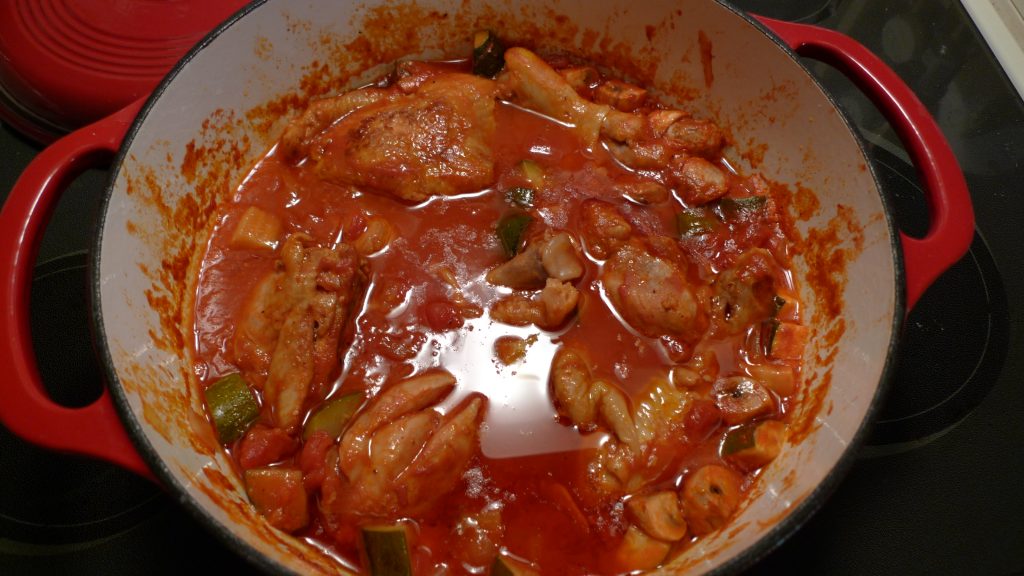
“Cacciatore” means “hunter” in Italian, so pollo alla cacciatora is commonly translated as hunter-style chicken. It belongs to the family of rustic, home-style dishes built around ingredients that cook well together in one pan: chicken, onions, garlic, tomatoes, herbs, and often wine, peppers, or mushrooms. Recipes vary from region to region and household to household, which is part of the charm. There is no single universal version, and Italians have been disagreeing about food with great enthusiasm for generations.
The traditional idea is practical: brown the chicken, build a flavorful sauce in the same pan, then let everything simmer until the meat is tender and the flavors have introduced themselves properly. It is not fancy food pretending to be rustic. It is rustic food that knows it is delicious.
The Recipe I’m Exploring
For a home-cook-friendly version, I’m using the Chicken Cacciatore recipe from Once Upon a Chef. Jennifer Segal’s version uses bone-in chicken thighs, tomatoes, red wine, mushrooms, bell peppers, garlic, and herbs to make a rich braise. The recipe page includes the full ingredient list and method, so visit it for the exact quantities and step-by-step instructions.
My own kitchen notes are simple: pat the chicken dry before browning, season it well, and don’t crowd the pan. Browning is not just decorative; those browned bits left on the bottom become flavor when the vegetables and liquid loosen them. If the pan is too crowded, the chicken steams instead of browning. And a little patience at this stage saves you from serving chicken that looks like it spent the evening in a sauna.
Why the Slow Simmer Matters
Once the chicken is browned, the onions, peppers, mushrooms, and garlic build the foundation. Tomatoes bring acidity and body, while a splash of wine adds depth. As everything simmers, the chicken releases juices into the sauce and the sauce works its way back into the meat. The result should be savory and balanced, not simply a pot of tomato sauce with poultry hiding in it.
Keep the heat at a gentle simmer rather than a furious boil. A hard boil can make meat tougher and cause the sauce to reduce too quickly. Check the pan occasionally, give it a careful stir around the chicken, and add a little broth or water if the sauce becomes thicker than you like before the chicken is tender. A food thermometer is useful: poultry should reach a safe internal temperature of 165°F (74°C).
Regional Twists and Easy Variations
One of the best things about cacciatore is how adaptable it is. Some versions lean on red wine; others use white wine. Some include olives or capers for a salty, briny note, while others keep the flavor sweeter and more mellow with peppers and mushrooms. Fresh rosemary, thyme, or oregano can all work, though I’d choose one or two rather than turning the pot into a herb garden.
You can use chicken legs or a mix of bone-in pieces, adjusting cooking time until the meat is tender. Boneless thighs are convenient, but they may cook faster and won’t contribute quite the same depth as bone-in pieces. If mushrooms are not welcome at your table, leave them out and add another pepper or some sliced zucchini. For a little heat, add a pinch of red pepper flakes.
I try not to change every ingredient at once. A recipe is a conversation between flavors; if you invite twelve new guests into the pan at the same time, it can get confusing. Make one or two changes, taste the sauce, and let your own preferences guide the next attempt.
What to Serve With It
Chicken cacciatore practically begs for something that can catch its sauce. Creamy polenta is a classic-feeling companion, but mashed potatoes, buttered pasta, rice, or a piece of crusty bread all work beautifully. A simple green salad with a sharp vinaigrette can cut through the richness, and roasted green beans or broccoli make an easy vegetable side.
For a family-style dinner, I like to bring the pan to the table and let everyone help themselves. It looks generous without requiring restaurant-level plating, which is useful because my family has never once awarded bonus points for a decorative parsley sprig. They do, however, notice if I forget the bread.
Make-Ahead and Leftover Advice
This is a good dish for planning ahead. The flavors often deepen after a night in the refrigerator, making leftovers excellent the next day. Cool the food promptly, refrigerate it in a covered container, and reheat it thoroughly. If the sauce has thickened overnight, loosen it with a splash of water or broth. You can also freeze portions for a future dinner; thaw them in the refrigerator before reheating.
If you’re cooking for two, the leftovers become a gift to your future self. If you’re cooking for a crowd, cacciatore scales comfortably as long as you use a pot large enough to brown the chicken in batches. Resist the urge to pile every piece into a small pan and hope for magic. Magic is helpful, but surface area is more reliable.
A Comforting Dinner Worth Keeping
Chicken cacciatore is the sort of recipe that rewards attention without demanding perfection. It has history, flexibility, and a sauce that makes even an ordinary weeknight feel a little more welcoming. The version from Once Upon a Chef is a useful starting point, and after you’ve made it once, you can adjust the herbs, vegetables, and serving style to suit your own table.
From my kitchen in Sun Valley, my advice is to brown the chicken properly, let the pot simmer gently, and keep enough bread nearby to handle the sauce. The only real danger is that everyone will ask for seconds before you’ve sat down yourself. That’s a good problem to have—although I may start charging a small chef’s fee for the bread basket.
Watch: Chicken Cacciatore
Here’s a video demonstration of a chicken cacciatore variation from Gordon Ramsay.