Jose Mier here in Sun Valley, California, and if there’s one thing I’ve learned after spending countless hours searching for interesting dinner recipes, it’s that some dishes deserve every bit of their legendary reputation. Chicken Marbella is one of those recipes. The first time I read the ingredient list, I thought someone had accidentally combined two different recipes. Chicken? Great. Garlic? Absolutely. Olive oil? Of course. But prunes, green olives, capers, vinegar, and brown sugar all in the same pan? It sounded like someone had challenged a chef to clean out the pantry. Fortunately, curiosity got the better of me, and after making it once, I understood why this recipe has become a favorite for home cooks around the world. It delivers an unforgettable combination of sweet, salty, tangy, and savory flavors that somehow work together in perfect harmony.
One of the reasons Chicken Marbella has remained popular for decades is that it feels both elegant and comforting. It is equally at home on a holiday table, at a dinner party, or served on a quiet Sunday evening with family. Better still, most of the preparation can be completed well before guests arrive, leaving the cook free to enjoy the evening rather than rushing around the kitchen.
The Original Recipe
The version that made Chicken Marbella famous comes from The Silver Palate Cookbook, originally published in the early 1980s by Sheila Lukins and Julee Rosso. Their New York gourmet food shop introduced many Americans to Mediterranean-inspired cooking at a time when international cuisine was becoming increasingly popular.
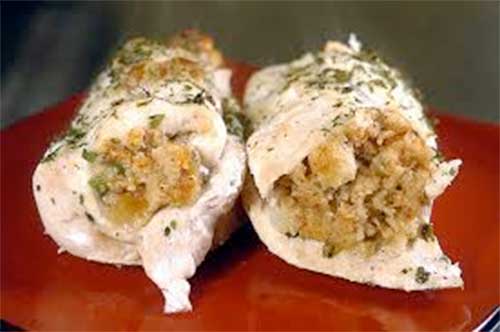
A faithful version of the original recipe can be found here:
Recipe Source:
https://www.thekitchn.com/chicken-marbella-recipe-23269695
While many cooks have created their own interpretations over the years, the classic preparation remains remarkably difficult to improve upon.
A Recipe Ahead of Its Time
Today we’re accustomed to recipes that combine sweet and savory ingredients. Salted caramel, bacon with maple syrup, and fruit glazes on meats are common menu items.
Back when Chicken Marbella first appeared, however, the flavor combination was genuinely surprising.
It blended:
- Garlic
- Olive oil
- Red wine vinegar
- Oregano
- Prunes
- Green olives
- Capers
- Bay leaves
- Brown sugar
- White wine
Instead of competing with one another, these ingredients create remarkable balance.
The prunes soften into something almost jam-like.
The olives add pleasant saltiness.
Capers provide bright acidity.
The vinegar cuts through the richness.
Brown sugar caramelizes beautifully during roasting.
Every bite contains a slightly different combination of flavors.
Why It Works
One of my favorite things about cooking is discovering why recipes become classics.
Chicken Marbella succeeds because every ingredient serves a purpose.
The vinegar tenderizes the meat.
Garlic infuses the chicken with flavor.
Olive oil carries the herbs throughout the marinade.
Brown sugar creates beautiful caramelization.
Prunes contribute natural sweetness.
Olives and capers add complexity without overwhelming the dish.
It’s culinary chemistry at its finest.
Marinating Is the Secret
Unlike many chicken recipes that can be prepared immediately, Chicken Marbella benefits enormously from time.
The chicken is typically marinated overnight.
That extra time allows:
- Garlic to penetrate the meat.
- Herbs to become aromatic.
- Vinegar to tenderize the chicken.
- Sweet and salty flavors to blend together.
This overnight rest transforms an already good recipe into an exceptional one.
As someone who occasionally gets impatient in the kitchen, I can honestly say this is one recipe worth waiting for.
The History Behind the Dish
Interestingly, Chicken Marbella isn’t actually a traditional Spanish recipe despite its name.
Marbella is a beautiful resort city on Spain’s Costa del Sol.
The creators of the recipe were inspired by Mediterranean ingredients rather than attempting to recreate a historic regional dish.
The result feels Spanish, Italian, Moroccan, and Middle Eastern all at once.
That’s part of its charm.
Mediterranean Influences
Many ingredients found in Chicken Marbella have long histories throughout Mediterranean cooking.
Olives have been cultivated for thousands of years.
Capers grow naturally throughout southern Europe.
Garlic appears in nearly every Mediterranean cuisine.
Olive oil remains one of the region’s defining ingredients.
Even dried fruits paired with meat have ancient roots stretching back to North African and Middle Eastern cooking traditions.
The recipe feels timeless because it borrows ideas that have worked for centuries.
Choosing the Right Chicken
The original recipe calls for bone-in chicken pieces with the skin left on.
Why?
Because bone-in meat remains moist during roasting.
The skin becomes beautifully browned.
The rendered fat combines with the marinade to create an incredible sauce.
Some modern cooks substitute boneless thighs.
Others use chicken breasts.
Personally, I prefer thighs and drumsticks because they’re forgiving and stay juicy even if dinner conversation runs long.
Don’t Fear the Prunes
Let’s address the elephant—or perhaps the prune—in the room.
Many people wrinkle their noses when they see prunes listed.
Don’t.
By the time the chicken finishes roasting, the prunes have transformed completely.
They become rich, silky, and almost resemble figs or dates.
Even guests who claim to dislike prunes often end up asking for seconds.
The Importance of Good Olives
Not all olives are created equal.
Quality green olives contribute bright, briny flavor without excessive bitterness.
Spanish olives work beautifully.
Castelvetrano olives add buttery richness.
Avoid overly salty canned varieties if possible.
Good olives make a noticeable difference.
Capers: Tiny but Mighty
Capers may be small, but they’re flavor powerhouses.
These flower buds are pickled before being packed in brine.
Their sharp, tangy taste balances the sweetness from the fruit and brown sugar.
A little goes a long way.
Brown Sugar Magic
One reason Chicken Marbella looks so beautiful coming out of the oven is the brown sugar sprinkled over the top before baking.
As it melts, it caramelizes alongside the pan juices.
The resulting glaze gives the chicken an irresistible mahogany finish.
It’s one of those dishes that practically photographs itself.
Wine in the Recipe
The original recipe includes dry white wine.
During cooking, the alcohol evaporates while leaving behind acidity and subtle fruit flavors.
If preferred, additional chicken stock can be substituted, though wine contributes complexity that many cooks appreciate.
What to Serve with Chicken Marbella
This dish pairs wonderfully with simple side dishes that soak up the flavorful sauce.
Favorites include:
- Rice pilaf
- Buttered egg noodles
- Roasted potatoes
- Creamy mashed potatoes
- Couscous
- Crusty artisan bread
A green salad with a light vinaigrette balances the richness perfectly.
Leftovers Are Even Better
Here’s one of my favorite secrets.
Chicken Marbella often tastes even better the next day.
The flavors continue developing overnight.
The sauce thickens slightly.
The fruit becomes softer.
It’s one of those rare leftovers that generate excitement instead of disappointment.
Modern Variations
Creative cooks have developed numerous adaptations.
Some replace prunes with:
- Dates
- Dried apricots
- Figs
- Cherries
Others substitute:
- Pork tenderloin
- Turkey thighs
- Cornish hens
Vegetarians have even adapted the sauce for roasted cauliflower and hearty mushrooms.
The flavor profile is surprisingly versatile.
Why Home Cooks Love It
Chicken Marbella has remained popular for more than forty years because it solves many common dinner-party problems.
It can be prepared ahead.
It scales easily for large groups.
It reheats beautifully.
It looks impressive without requiring advanced culinary skills.
Perhaps most importantly, guests remember it.
Many recipes disappear from memory by the next day.
Chicken Marbella becomes a topic of conversation.
My Experience in the Kitchen
Whenever I’m browsing recipes online, I’m always looking for something that’s just different enough to surprise people without becoming so exotic that everyone politely pushes food around their plate.
Chicken Marbella lands perfectly in that sweet spot.
The first time I served it, everyone asked the same question:
“What’s in this sauce?”
After guessing everything from cranberries to balsamic vinegar, nobody correctly identified the humble prune.
I’ve stopped warning people about the ingredient list.
Now I simply serve dinner and let the empty plates do the talking.
A Dish That Bridges Generations
Another wonderful aspect of Chicken Marbella is its broad appeal.
Older generations appreciate its familiar roasted chicken foundation.
Younger diners enjoy the bold sweet-and-savory contrast.
It feels simultaneously nostalgic and contemporary.
Very few recipes accomplish that balancing act.
Why This Recipe Has Endured
Thousands of recipes become popular every year.
Most disappear just as quickly.
Chicken Marbella continues appearing in cookbooks, food magazines, restaurant menus, and online recipe collections because it offers something genuinely special.
It transforms simple pantry ingredients into a sophisticated meal that feels worthy of celebration.
Its flavors are layered without being complicated.
Its preparation is approachable without being ordinary.
Most importantly, it reminds us that some of the best recipes come from taking a few unexpected ingredients and trusting that they belong together.
Final Thoughts
As Jose Mier from Sun Valley, I’m constantly searching for recipes that are memorable enough to earn a permanent place in my collection, and Chicken Marbella has certainly done that. It may sound unconventional at first glance, but that’s precisely what makes it so rewarding to prepare and serve. The combination of garlic, olives, capers, prunes, herbs, and caramelized brown sugar creates a dinner that’s rich with Mediterranean-inspired flavor and surprisingly easy to make. Whether you’re cooking for family, entertaining friends, or simply looking to try something outside your usual dinner routine, Chicken Marbella is a recipe worth experiencing. Sometimes the most unlikely combinations produce the most unforgettable meals—and this classic proves it with every delicious bite.